Choosing reliable China Top Frozen Tilapia Fish Suppliers requires more than comparing price lists. Global buyers must examine product consistency, processing capacity, cold-chain control, and export experience. Frozen Fish Tilapia should arrive with clean packaging, stable glazing, accurate weight, and clear production records. These details matter when containers travel through changing temperatures and busy ports.
Dr. Kevin Fitzsimmons, a widely recognized tilapia aquaculture expert, has described tilapia as “the chicken of the sea.” The comparison reflects its mild flavor, flexible preparation, and broad consumer appeal. Yet, buyers should not rely on popularity alone. A dependable supplier should provide farm information, harvest dates, processing specifications, laboratory reports, and traceability documents. Certifications can support trust, but they do not replace careful verification.
Small details often reveal larger standards.
This guide introduces leading Chinese suppliers and explains how international purchasers can assess them. It considers fillet size, skin-on and skinless options, IQF technology, glazing percentages, private labeling, minimum order quantities, and delivery coordination. It also reviews communication quality, because unclear specifications can create costly misunderstandings. Experienced buyers may request samples before signing long-term contracts. That is sensible. Still, no shortlist is perfect, and supplier performance can change with season, labor conditions, or logistics pressure. Buyers should revisit quality records regularly instead of accepting old assumptions. A strong partnership depends on transparent evidence, practical inspections, and honest discussion when a shipment does not meet expectations.
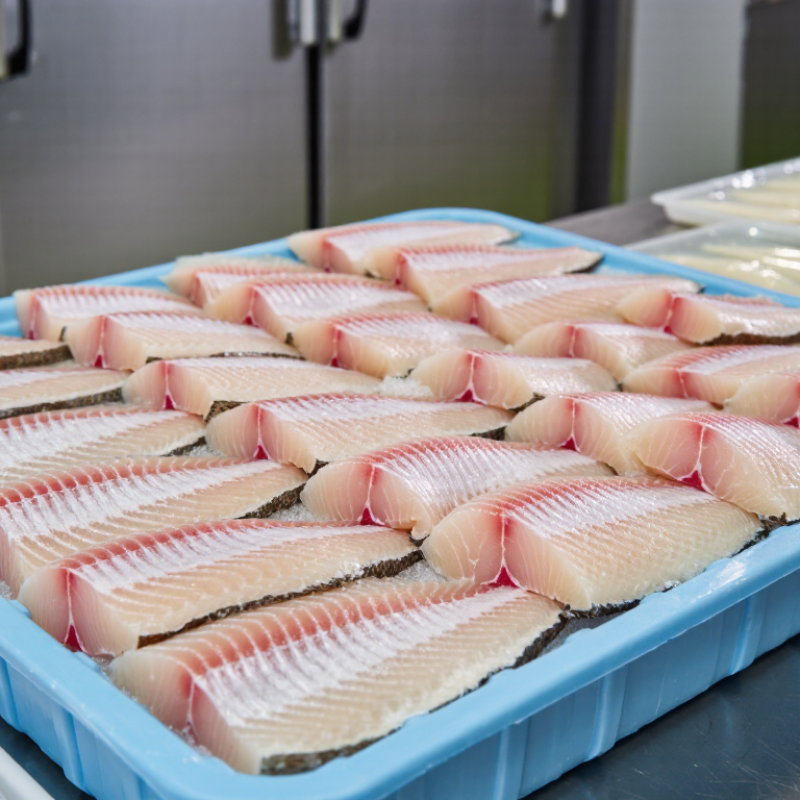
China produced about 1.7 million tonnes of tilapia in 2023, reinforcing its importance in global frozen fish supply. This volume supports steady access to whole fish, fillets, and individually quick-frozen products.
However, production figures can vary by reporting method. Buyers should verify current data with suppliers and independent trade records.
In practical sourcing, product consistency matters more than a large national output. Check harvest regions, processing dates, glazing percentage, net weight, and storage temperature.
Ask for recent laboratory reports and clear inspection documents. A reliable supplier should explain its cold-chain process, from processing rooms to export containers.
Small details matter. One weak temperature record can affect texture, drip loss, and customer acceptance.
Tips: Request a sample before contract approval. Compare fillet size, color, odor, and cooking yield. Confirm carton markings and delivery terms in writing. Do not rely only on attractive prices. Some buyers, including experienced ones, overlook port delays or seasonal supply changes. I have found that a simple quality checklist prevents costly misunderstandings. It is not perfect, but it makes supplier comparisons more objective. Keep communication records, review every specification, and allow time for pre-shipment checks.
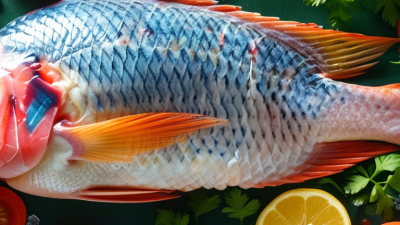
China Top Frozen Tilapia Fish Suppliers for Global Buyers
Frozen tilapia quality depends on more than appearance. FAO’s SOFIA 2024 report recorded 130.9 million tonnes of global aquaculture production in 2022. Tilapia remains important in this supply chain, especially for fillets and whole fish. Commercial grades often include premium, standard, and economy categories. However, grade names are not globally uniform. Buyers should request inspection records, microbiological results, and product photos before ordering.
Common fillet sizes include 3–5 oz, 5–7 oz, and 7–9 oz. Whole tilapia may be sorted by pieces per kilogram. Glazing rates often range from 10% to 20%, depending on the contract. A heavier glaze can protect the surface, but it reduces sellable net weight. The declared net weight should exclude ice glaze. Codex Standard CXS 166-1989 supports quick-frozen finfish controls, while commercial IQF practice normally keeps products at -18°C or colder. Proper IQF fillets should remain separate, with clean edges and no large ice blocks.
Tips: Check both gross and net weight. Ask for the glaze tolerance. Confirm the core temperature during loading. A small point matters: “IQF” does not guarantee perfect texture. Slow freezing, repeated temperature changes, or weak packaging can still cause dehydration. Buyers should compare thaw loss, not only the lowest quoted price. Suppliers should also explain size tolerance, carton weight, freezing date, and storage conditions clearly.
China’s tilapia supply begins in warm-water farming belts, with Guangdong, Guangxi, and Hainan playing major roles. Guangdong’s Zhanjiang and Maoming areas are closely linked with established aquaculture and seafood processing. Guangxi offers pond production around coastal and inland zones, while Hainan benefits from a tropical climate and long growing seasons. These differences can affect fish size, harvest timing, and supply consistency.
Processing clusters often develop near farms, highways, ports, and cold-storage facilities. In southern coastal cities, plants commonly handle grading, filleting, glazing, freezing, and carton packing within connected logistics networks. This reduces handling time after harvest. Buyers should inspect temperature records, water-quality controls, sanitation procedures, and lot-level traceability. A polished facility alone proves little.
Practical sourcing requires more than comparing quotations. Farm visits can reveal pond density, feed management, harvest methods, and seasonal risks. Processing audits should match export documents with actual production records. Some suppliers may describe a region too broadly, which can confuse origin verification. That deserves attention. Weather, disease pressure, labor changes, and transport delays can also disrupt a reliable-looking program. I would request recent sample lots, microbiological reports, packing photographs, and an agreed inspection standard before confirming regular orders. No region is perfect. Careful verification remains necessary.
For global buyers, supplier qualification begins with documented food-safety practice, not attractive product photos. A reliable frozen tilapia supplier should operate a verified HACCP system. The plan must identify hazards from farming, processing, freezing, storage, and transport. Ask for hazard analyses, critical limits, monitoring records, and corrective-action reports. Small details matter.
BRCGS certification BRCGS certification can show that a site follows structured requirements for hygiene, traceability, allergen control, and management review. Check the certificate scope, production address, audit grade, and expiry date. The certificate should cover frozen fish processing, not only another product category. FDA compliance may involve facility registration, preventive controls, labeling, and importer documentation. FDA does not simply approve every shipment. Buyers should verify current records and shipment-specific requirements.
EU compliance EU compliance requires careful review of hygiene controls, approved establishments, contaminant limits, residue monitoring, labeling, and cold-chain evidence. Request batch codes, production dates, temperature logs, laboratory reports, and a traceability exercise from finished carton back to raw material. Test reports can be useful, but they are not magic. Sampling plans may be weak, and translated documents can hide gaps. A practical audit should include the freezing room, water sources, staff practices, and loading area. No checklist is perfect. Recheck corrective actions after the first shipment, because real reliability appears under pressure.
China Top Frozen Tilapia Fish Suppliers for Global Buyers
Global buyers should price frozen tilapia through temperature control, not product value alone. Codex Alimentarius recommends keeping quick-frozen fish at -18°C or colder. During loading, many operators set reefer air temperatures near -20°C to -22°C. However, the product core temperature matters more than the display reading.
A 20-foot reefer commonly carries about 20–22 metric tonnes of frozen tilapia. The actual load depends on carton size, pallet design, tare weight, and destination road limits. For example, 10-kilogram cartons create different space losses than 20-kilogram cartons. One misplaced pallet can reduce usable capacity. The estimate is never perfect.
FAO’s State of World Fisheries and Aquaculture 2024 reported 94.4 million tonnes of aquaculture production in 2022. That scale shows why disciplined logistics matter. Buyers should request loading temperature records, carton dimensions, pallet counts, and reefer energy assumptions. They should also budget for pre-cooling, port electricity, inspections, and possible detention charges. A container may leave China at -20°C, yet weak door management can raise internal temperatures quickly. Data loggers provide stronger evidence than a single terminal reading. A neat spreadsheet can still fail.