Best Ways to Cook Frozen Squid for Delicious Meals?
Cooking Frozen Squid can transform your meals into a delightful seafood experience. Many people shy away from cooking squid due to misconceptions about its preparation. However, with the right techniques, frozen squid can yield tender, flavorful dishes.
When you thaw and cook frozen squid properly, you highlight its natural sweetness. Consider the various methods, such as grilling, frying, or sautéing. Each method brings out different textures and tastes. It's essential to remember that overcooking can lead to rubbery squid, a common mistake.
Experimenting with spices and marinades enhances the dish. Yet, it is easy to overlook the importance of seasoning. Finding the right balance can elevate your meal from bland to brilliant. Cooking Frozen Squid can be simple and rewarding with a mindful approach. Enjoy this journey and do not hesitate to reflect on your technique as you improve.
Choosing the Right Frozen Squid for Cooking
When choosing frozen squid, freshness is key. Look for bright, uniform color. Avoid any packages with ice crystals. Ice crystals indicate thawing and refreezing, which affects texture. A fresh-looking squid will have a clean smell, reminiscent of the ocean.
Check the packaging for the catch date. If the date is recent, the squid is more likely to be fresh. Consider the size and type of squid as well. Baby squid is tender and works well in stir-fries. Larger ones can be excellent for grilling. The choice affects your cooking method.
While inspecting squid, some might find small black spots. These can be a sign of age and impact flavor. A little blemish won’t ruin your dish, but be mindful of the overall quality. Each step in choosing contributes to the final taste of your meal. Trust your instincts; they often guide you well.
Thawing Frozen Squid: Best Methods and Tips
Thawing frozen squid properly is essential for achieving flavorful dishes. One effective method involves transferring the squid from the freezer to the refrigerator. This process typically takes about 24 hours. A study by the U.S. Food and Drug Administration highlights that gradual thawing helps retain the seafood's texture and minimizes bacterial growth.
Alternatively, for a quicker method, place the squid in a sealed plastic bag and submerge it in cold water. This can thaw the squid within an hour. Avoid using hot water, as it can cook the outer layer, leading to uneven textures. According to industry data, the right thawing technique can enhance the overall quality of seafood dishes.
Some cooks mistakenly quickly microwave frozen squid, leading to rubbery textures. If using this method, do so cautiously and at low power. It's crucial to monitor the squid closely to avoid overcooking. Mastering these simple yet effective thawing methods can significantly improve your culinary results with frozen squid.
Best Ways to Cook Frozen Squid for Delicious Meals
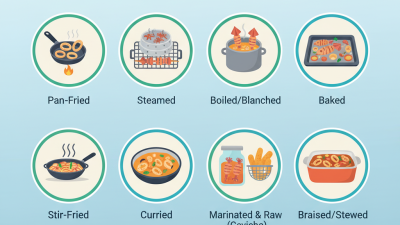
Techniques for Cooking Frozen Squid: Grilling, Sautéing, and More
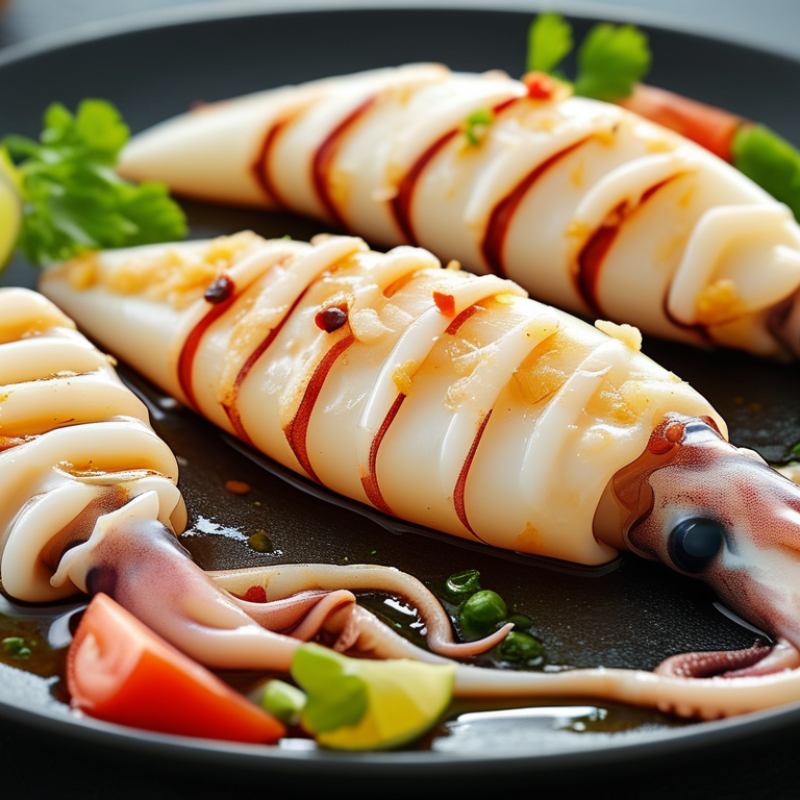
When cooking frozen squid, several techniques bring out its unique flavor and texture. Grilling is a popular choice. It gives squid a smoky char that enhances its natural sweetness. Preheat your grill to medium-high. Thaw and pat the squid dry before seasoning with olive oil, salt, and pepper. Place it directly on the grill for about 2-3 minutes per side. Watch closely to avoid overcooking, which can lead to a rubbery texture.
Sautéing is another excellent method. Start with a hot skillet, adding a splash of oil. Once the oil is shimmering, add sliced garlic for aroma. Then, toss in the thawed squid. It cooks quickly, usually needing only 2-4 minutes. The key is to keep stirring for even cooking. Experiment with adding chili flakes or fresh herbs while sautéing. These ingredients enhance the overall dish, elevating your meal to the next level.
Don’t overlook boiling or poaching. These methods are gentler and keep the squid tender. Boil water seasoned with lemon and herbs. Add the squid, simmering for just a few minutes. Overcooking can make it tough, so timing is crucial. Reflect on your technique and adapt based on the results. Each method has its challenges but also rewards. Enjoy the journey of mastering frozen squid!
Flavoring Frozen Squid: Seasoning Ideas and Marination Tips
Cooking frozen squid can elevate your meals with its delicate flavor and unique texture. To make the most of its taste, seasoning and marination are essential. According to industry experts, using herbs and spices can enhance the squid's natural flavors. Consider a marinade with olive oil, garlic, and lemon juice. This combination not only infuses flavor but also tenderizes the squid.
A study by seafood professionals indicates that marinating squid for 30-60 minutes can significantly improve its taste. Different flavor profiles can be achieved by experimenting with ingredients. For a spicy kick, add chili flakes or ginger. Alternatively, a combination of soy sauce and sesame oil creates an umami-packed experience. The key is to avoid overpowering the squid; balance is crucial.
Textural differences can emerge if the squid is over-marinated. Aim for freshness, not mushiness. Many home cooks overlook the significance of rest time after marination. Letting the squid sit allows flavors to meld better. With proper seasoning and thoughtful marination, frozen squid becomes a star in any dish.
Best Ways to Cook Frozen Squid for Delicious Meals
| Cooking Method |
Preparation Time |
Tips |
Seasoning Ideas |
| Grilling |
10-15 minutes |
Thaw lightly before grilling for even cooking. |
Lemon juice, garlic, and parsley. |
| Stir-frying |
5-10 minutes |
Cook quickly over high heat to maintain tenderness. |
Soy sauce, ginger, and sesame oil. |
| Baking |
25-30 minutes |
Use parchment paper to prevent sticking. |
Chili flakes, breadcrumbs, and olive oil. |
| Boiling |
10 minutes |
Avoid overcooking to keep the texture firm. |
Bay leaves and black pepper. |
| Sautéing |
5-7 minutes |
Cook on medium heat with oil to get a nice sear. |
Cilantro, lime, and cumin. |
Delicious Recipes Featuring Cooked Frozen Squid
Cooking with frozen squid can lead to delightful meals if done correctly. Chefs often recommend thawing squid before cooking to enhance texture. Research shows that overcooking can lead to rubbery squid. A study found that optimal cooking times vary based on preparation methods. Grilling, for example, may only take about 2-3 minutes per side.
Consider trying a simple stir-fry with garlic, ginger, and fresh vegetables. This method preserves the squid's natural flavors and offers a satisfying crunch. Experts also suggest using a quick blanching technique before ultimate cooking. This can help clean the squid while retaining moisture. In a report from Food Science, it’s noted that high heat for shorter durations results in better taste and texture.
For a more adventurous option, a squid ink risotto can be both visually stunning and delicious. The richness of the ink combined with creamy rice has a unique appeal. However, achieving the right balance is crucial. Too little ink can lead to a bland dish, while too much can overwhelm. Cooking is an art that requires practice and patience, especially with delicacies like squid.