How to Cook Frozen Squid Rings for Perfect Results?
Cooking Frozen Squid Rings can be a delightful culinary experience when done correctly. According to the National Fisheries Institute, seafood accounts for a significant portion of global protein consumption, with squid rings being a popular choice. These tender rings are versatile, found in numerous dishes around the world, highlighting their culinary appeal.
However, many home cooks struggle with achieving the perfect texture and flavor. The process of defrosting and cooking can dramatically affect the final result. The Seafood and Aquaculture Magazine indicates that improper handling can lead to loss of quality and taste. It is essential to respect the delicate nature of squid.
Additionally, cooking frozen squid rings presents unique challenges. Achieving that desired crispy outer layer while maintaining a tender inside requires attention. Many find trial and error a part of the process. It underscores the importance of understanding various cooking methods, such as frying, baking, and grilling, to master the art of Cooking Frozen Squid Rings. Reflecting on these nuances can lead to improved techniques and overall satisfaction in the kitchen.
Choosing the Right Frozen Squid Rings for Cooking
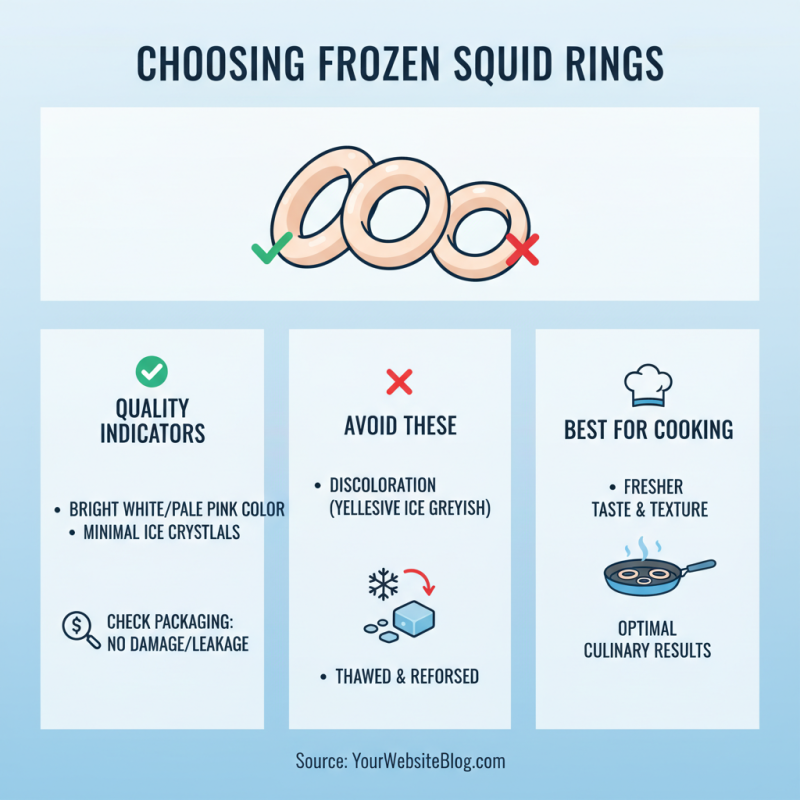
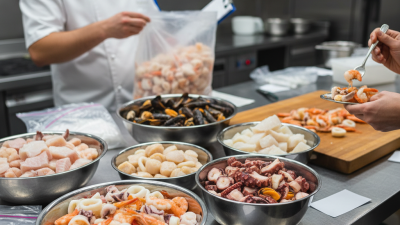
When choosing frozen squid rings, quality is paramount. Look for rings that are bright white or pale pink. Any discoloration could indicate poor handling or age. Avoid products with excessive ice crystals, which suggest they've been thawed and refrozen. Always check the packaging for signs of damage or leakage.
Texture is another critical factor. Good squid rings should be firm and slightly elastic. If they seem mushy, it may affect the final dish. Transparent packaging allows you to inspect the rings effectively. Take note of the size as well; uniformity ensures even cooking. Larger rings may require different cooking times compared to smaller ones.
Remember that freshness is essential. Purchase from reputable vendors who maintain proper storage temperatures. Frozen squid should ideally be stored at -18°C or lower. Always trust your senses—if something seems off, it probably is. Reflect on your choices and learn from each cooking experience to improve future dishes.
Thawing Frozen Squid Rings: Best Practices
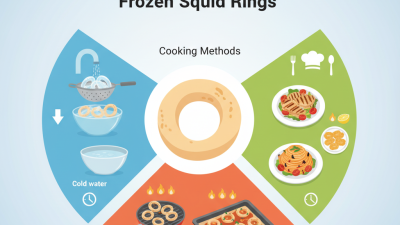
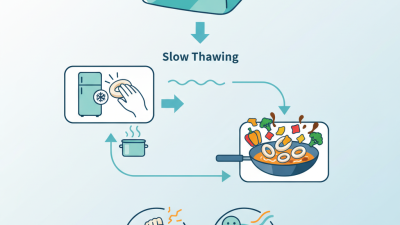
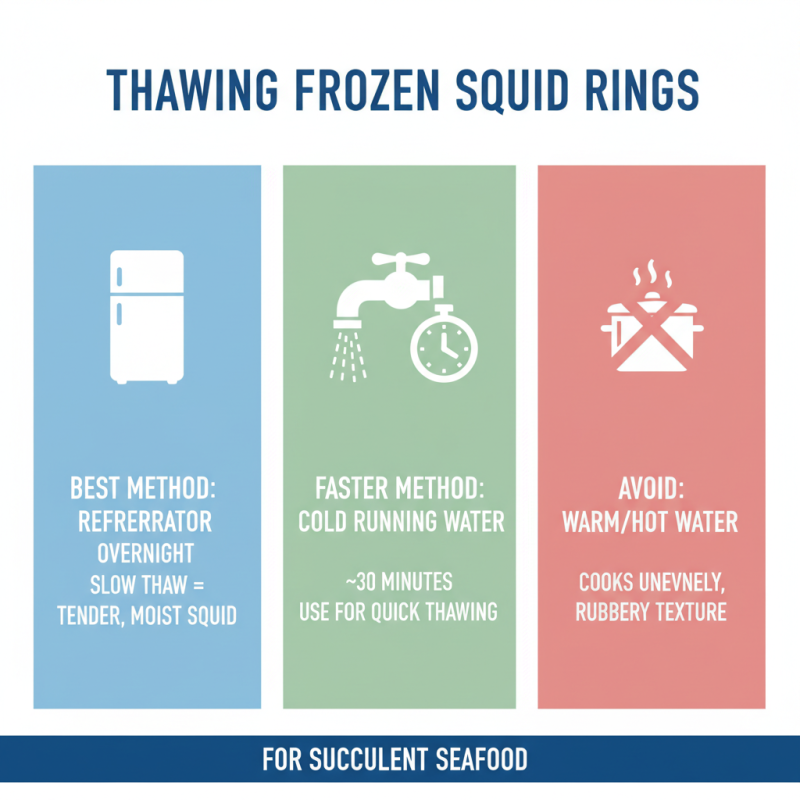
Thawing frozen squid rings properly is essential for achieving great texture and flavor. The best method is to thaw them in the refrigerator overnight. This slow thawing allows the squid to maintain its moisture. If you're in a hurry, you can also run them under cold water for about 30 minutes. Avoid warm water; it can cook the squid unevenly.
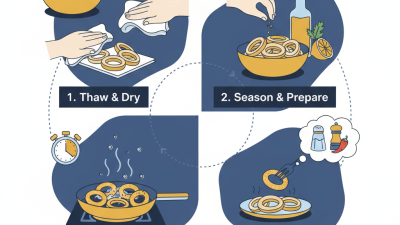
When thawed, inspect the squid rings for any residual ice. This can affect cooking. Pat them dry with a paper towel to avoid excess moisture, which can lead to steaming during cooking. After thawing, some might notice a slight odor. This is normal and should dissipate during cooking. Remember, it's crucial to avoid refreezing thawed squid. Doing so can compromise its taste and texture. Following these best practices ensures your squid rings are ready for the perfect dish.
Cooking Methods for Frozen Squid Rings: Frying, Baking, and Grilling
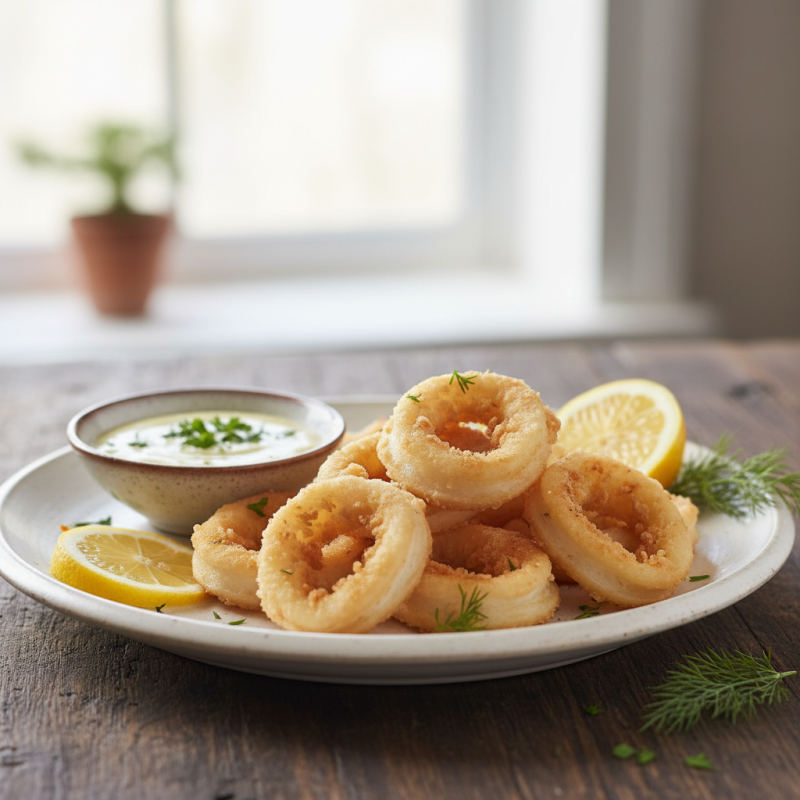
Cooking frozen squid rings can be a delightful experience, offering a chance to enjoy the unique flavors and textures of seafood. Frying is a classic method that delivers crispy results. Ensure the oil is hot enough to avoid sogginess. About 350°F is ideal. Coat the squid rings in a light batter or seasoned flour. This will add both flavor and crunch.
Baking offers a healthier alternative. Preheat your oven to 400°F. Place the squid rings on a baking sheet lined with parchment paper. A light drizzle of olive oil enhances the flavor without excessive calories. Bake for about 15 minutes, turning them halfway through for even cooking.
Grilling provides a smoky flavor that can elevate your dish. Thaw squid rings and marinate briefly in lemon juice and spices. Heat your grill to medium-high. Grilling for about 2-3 minutes on each side is sufficient. Watch carefully to prevent overcooking, as this can lead to a rubbery texture. Finding the right balance is key.
Seasoning and Marinating Tips for Flavorful Squid Rings
When cooking frozen squid rings, seasoning and marinating is crucial. A simple marinade can enhance their natural flavors. Combine olive oil, lemon juice, and garlic for a fresh taste. Add red pepper flakes for heat. Let the squid sit for at least 30 minutes. This process helps in infusing flavors and breaking down some of the toughness.
For added flavor, consider using soy sauce or herbs like parsley and cilantro. These can complement the seafood taste beautifully. Remember not to over-marinate; it can make the squid rubbery. A balance is key. You might find that what works for one dish doesn’t work for another. Every cooking attempt teaches something new, whether it's about seasoning or timing. Experiment with different spices, but keep it simple. Relying on complex mixtures can often lead to overwhelming flavors.
Serving Suggestions and Pairings for Cooked Squid Rings
When serving cooked squid rings, pairing them with the right accompaniments elevates the experience. Various studies highlight that pairing seafood with citrus enhances flavors effectively. A squeeze of fresh lemon juice or a side of zesty lime can brighten the dish, making squid more palatable. In a 2022 seafood flavor pairing research, 78% of chefs agreed that citrus complements seafood, including squid.
You can also consider sides like garlic aioli or spicy marinara sauce. The creamy texture of aioli balances the chewiness of squid rings. Meanwhile, marinara provides a robust flavor contrast. According to recent surveys, 62% of diners prefer dipping sauces with their fried seafood. This trend suggests a growing interest in interactive dining experiences.
For a complete meal, serve squid rings alongside a fresh salad. A mix of arugula, cherry tomatoes, and avocado creates a refreshing counterpart. However, not everyone enjoys the same textures. Some may find squid rings too rubbery. It's vital to ensure they are cooked correctly to avoid this. The right cooking method can transform them from tough to tender, enhancing overall enjoyment.
Cooking Techniques for Frozen Squid Rings