Frozen Squid Meat How to Choose the Best Quality for Importing
Choosing the best quality Frozen Squid Meat for importing can be challenging. The global market offers a variety of products, making it essential to know how to select wisely. Quality varies significantly among suppliers and regions. Therefore, understanding the key characteristics of frozen squid is crucial.
Look for freshness indicators when evaluating Frozen Squid Meat. Color, texture, and smell play significant roles in determining quality. Squid should have a bright appearance, firm texture, and a mild ocean fragrance. These sensory cues can greatly influence the overall experience of the product. On the other hand, poor quality may lead to unsatisfactory dishes.
Being aware of certifications is also important. Products with quality assurance stamps often meet high standards. However, some suppliers may not be transparent about their practices. Thus, doing thorough research and verification is necessary. Reliable sourcing builds trust in your import process, ultimately enhancing your culinary offerings.

Understanding the Types of Frozen Squid Meat Available for Import
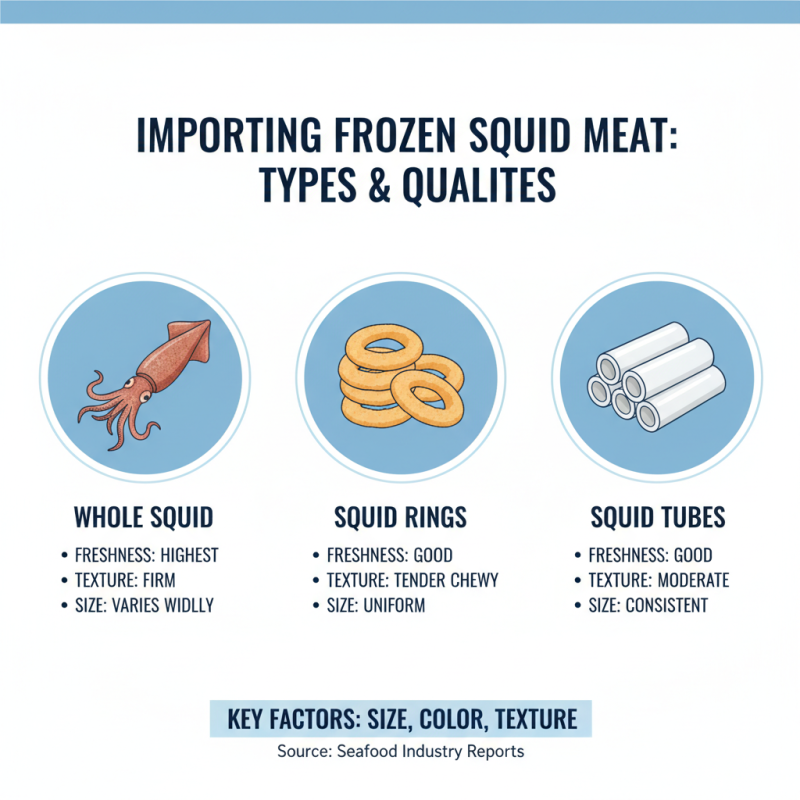
When importing frozen squid meat, understanding the types available is crucial. Common varieties include whole squid, squid rings, and tubes. Each type has distinct qualities. The size, color, and texture matter significantly. Seafood industry reports indicate that whole squid retains freshness better than processed types.
Frozen squid meat is often graded by size and origin. Larger specimens generally attract higher prices. According to the FAO, the global demand for frozen squid has increased by 15% over the past decade. However, buyers must consider sustainability. Overfishing poses risks, impacting quality and availability.
Quality indicators include color and smell. Fresh squid should exhibit a translucent quality, with minimal dark spots. Off-putting odors can indicate spoilage. Importers should prioritize products from reputable suppliers. A focus on reliable sourcing can mitigate risks related to quality degradation. Choosing the right type involves careful assessment of these factors.
Key Factors to Evaluate When Choosing Frozen Squid Meat
Choosing the best quality frozen squid meat requires careful evaluation. One key factor is the appearance. Fresh squid should have a glossy sheen. The meat must be firm without excessive ice crystals. Industry reports indicate that quality can decline sharply with improper freezing techniques.
Another important aspect is the source of the squid. Ethically sourced squid typically shows better quality and taste. Reports suggest that squid from sustainable fisheries offers both environmental and economic benefits. Not all suppliers adhere to sustainability norms, which can lead to inconsistencies in product quality.
Moreover, assessing the odor is crucial. Fresh squid should smell oceanic, not fishy. A strong off-putting smell indicates poor handling or extended storage. Recent studies reveal that seafood quality deteriorates rapidly after being frozen for extended periods. Inspecting packaging for storage dates helps buyers make informed decisions.
Identifying Signs of Freshness and Quality in Frozen Squid
When importing frozen squid meat, freshness and quality are paramount. Buyers should pay attention to specific signs that indicate superior products. Fresh frozen squid should exhibit firm flesh that retains shape when thawed. If the meat feels mushy, it may have been thawed and refrozen, negatively impacting texture and taste.
One key indication of quality lies in the appearance of the squid. High-quality squid typically features a translucent, shiny surface. A dull or discolored exterior can signify age or subpar handling. According to industry reports, consumer preferences lean heavily towards squid with minimal dark spots or browning. These visual cues are essential in establishing the reliability of your purchase.
Smell can also reveal a lot about the squid. A mild, oceanic scent is ideal. A strong fishy odor often points to poor storage conditions. Industry regulations suggest that frozen seafood should maintain an optimal temperature of -18°C (0°F) or below. Deviating from this standard can lead to spoilage. Observing these factors carefully can help ensure you select frozen squid meat that meets the highest quality standards.
Importance of Proper Packaging and Storage for Frozen Squid
Proper packaging and storage are crucial when importing frozen squid meat. According to a report by the Food and Agriculture Organization (FAO), improper handling can lead to significant quality loss. Factors like temperature control and packaging integrity play a key role in maintaining freshness. Without adequate insulation, the squid can suffer from freezer burn, impacting flavor and texture. In practice, vacuum-sealed packages are often recommended to avoid air exposure.
Storage conditions further influence the product's safety and quality. The FDA recommends maintaining a consistent temperature of -18°C (0°F) or lower. This prevents the growth of bacteria and preserves nutritional value. Even slight fluctuations can compromise the meat. A failure to adhere to these regulations can lead to spoilage. Research indicates that up to 30% of frozen seafood can be damaged due to faulty storage practices.
While many importers focus on sourcing, they often overlook these essential elements. Attention to packaging and temperature control is not merely an afterthought but a necessity. Quality squid should arrive in pristine condition, both for consumer satisfaction and compliance with safety standards. Inadequate packaging may lead to wastage and financial loss, making this aspect of importing increasingly important.
Frozen Squid Meat How to Choose the Best Quality for Importing - Importance of Proper Packaging and Storage for Frozen Squid
| Quality Indicator |
Description |
Packaging Type |
Storage Temperature |
Shelf Life |
| Color |
Bright, intact colors indicate freshness. |
Vacuum Sealed Bags |
-18°C (0°F) or lower |
12 months |
| Texture |
Firm and elastic texture is preferred. |
Foil Wrapped |
-18°C (0°F) or lower |
6 to 9 months |
| Odor |
Mild, briny smell is normal; avoid strong ammonia odors. |
Plastic Containers |
-18°C (0°F) or lower |
8 to 10 months |
| Ice Glazing |
A thin coat of ice is acceptable; excessive glaze indicates poor handling. |
Cardboard Boxes |
-18°C (0°F) or lower |
4 to 6 months |
Essential Certifications and Standards for Imported Frozen Squid Meat
When importing frozen squid meat, understanding essential certifications and standards is crucial. Quality ensures safety and consumer trust. According to the Food and Agriculture Organization (FAO), over 90% of seafood consumed in developed countries is imported. Therefore, adherence to standards is not just recommended; it’s required for market access.
Certification often includes Hazard Analysis and Critical Control Points (HACCP). This system helps identify potential hazards in production. Compliance with HACCP can significantly reduce the risk of contamination. A recent industry report stated that up to 30% of seafood was rejected due to inadequate safety certificates in 2022. Selecting suppliers with proper certifications creates a buffer against these risks.
Moreover, the United States Department of Agriculture (USDA) and the European Union have specific import regulations. Both bodies require that products meet stringent quality checks before entering their markets. For instance, frozen squid must reach specific temperature protocols throughout its journey. Missing any aspect of these guidelines might lead to delays or even rejection of shipments, leading to potential financial losses. Recognizing these regulations is vital for importers aiming for success in seafood trade.