Inquiry
Form loading...

2026 Top Frozen Squid Rings Suppliers for Global Buyers

The 2026 market for Frozen Squid Rings is shaped by changing seafood demand, tighter traceability rules, and uneven raw-material supplies. FAO’s The State of World Fisheries and Aquaculture 2024 reported that global aquatic animal production reached about 185 million tonnes in 2022. Most of this volume entered human food channels, supporting continued interest in convenient, portion-controlled seafood products. FAO GLOBEFISH market updates also highlight price sensitivity, seasonal landings, and logistics pressure across international seafood trade.

Supply is not only about volume.

This guide reviews leading Frozen Squid Rings suppliers for global buyers, using practical purchasing criteria rather than promotional claims. These criteria include species identification, harvest area, processing capacity, glazing percentage, ring size, freezing method, and cold-chain performance. Buyers should examine HACCP systems, third-party certifications, laboratory testing, and traceability records before approving a supplier. A clean carton means little without dependable records behind it.

UN Comtrade trade data can help compare import and export patterns, although product classifications may combine different squid forms. That limitation deserves attention. Supplier rankings should therefore be treated as a starting point, not a final purchasing decision. The NOAA Fishery Market Information and FAO GLOBEFISH reports provide useful market context, while factory audits and sample inspections reveal operational details that databases cannot show.

For restaurants, distributors, and food manufacturers, consistent sizing matters. A 200/300 ring may cook differently from a thicker 80/120 specification. Excessive glaze can also distort net weight and cost calculations. The strongest suppliers combine transparent documentation, stable production, responsive communication, and realistic delivery commitments. Mistakes still happen, even with experienced exporters. Careful verification remains essential.
2026 Top Frozen Squid Rings Suppliers for Global Buyers

Frozen Squid Rings: Product Overview and Global Market Role

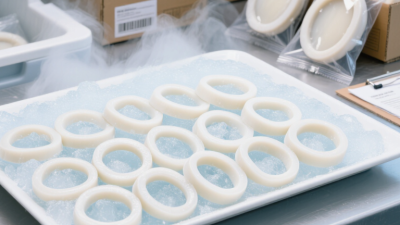
Frozen squid rings are prepared from cleaned squid tubes, sliced into consistent circles, and rapidly frozen. Their uniform shape supports predictable cooking, portioning, and presentation. Common pack sizes serve restaurants, food manufacturers, and retail distributors.

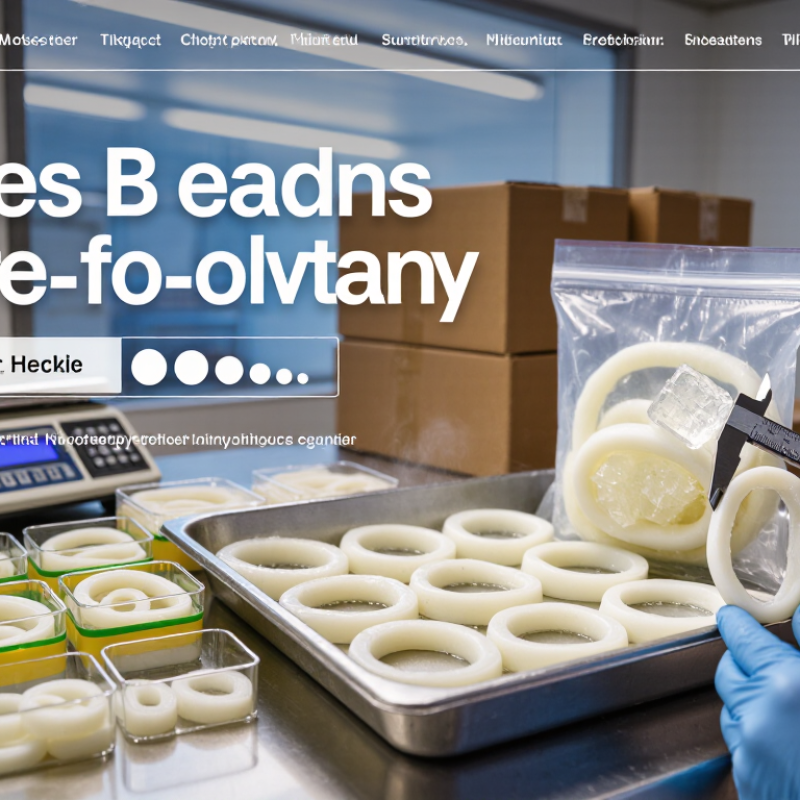
Quality begins with raw material handling. Bright, firm rings should show minimal ice buildup, clean edges, and a mild ocean scent. Excessive glazing may hide dehydration or uneven cutting.

Buyers should check species, harvest area, net weight, glazing percentage, processing date, and storage temperature. A reliable cold chain usually keeps products at -18°C or colder.

Their global market role is practical rather than glamorous. Rings reduce kitchen labor and help standardize fried dishes, noodles, salads, and seafood mixes. Demand grows where frozen storage and quick-service food systems are expanding. However, market data can be difficult to compare because species, sizes, and glaze calculations differ between suppliers. That weakness deserves attention.

Trade buyers often request 3–5 cm rings, although exact sizing depends on the final recipe. Sample testing should include thaw loss, cooking shrinkage, texture, and taste.

A ring that looks attractive when frozen may become rubbery after overcooking. Small details matter.

Responsible sourcing also requires traceability, sanitary processing, accurate labeling, and compliance with destination-country import rules. Certifications can support confidence, but they do not replace physical inspection. Product consistency remains the real test.
How to Evaluate Frozen Squid Ring Suppliers in 2026

How to Evaluate Frozen Squid Ring Suppliers in 2026

Global buyers should evaluate frozen squid ring suppliers beyond price and polished websites. Request harvest area, processing date, species, ring diameter, glazing percentage, and storage temperature. Reliable suppliers should provide traceability records for each production lot. Their documents must match the shipment, not only a standard template.

Check recognized food-safety systems, allergen controls, laboratory testing, and export documentation. A clear recall procedure also shows operational maturity.

Ask for samples from different lots. Examine color, odor, texture, broken rings, ice crystals, and drip loss after thawing. Measure the actual glazing percentage instead of trusting a product sheet. Cold-chain performance matters from the factory to the destination port. Ask how temperature is logged during loading and transport.

A supplier may pass an audit yet struggle with communication or replacement planning. That weakness is easy to overlook. It should not be.

Tips: Compare three sample lots, not one. Confirm carton labels before signing. Use an independent inspection when the order is large. Discuss realistic lead times, minimum quantities, payment terms, and complaint handling in writing. Do not select the cheapest offer automatically.

A low price can hide inconsistent sizing, excessive glaze, or weak documentation. Buyers should also review the supplier’s production capacity during peak seasons. Even careful evaluations can miss problems, so keep specifications measurable and review them after the first shipment.

Leading Supplier Regions and Production Capabilities

Frozen squid ring sourcing depends heavily on regional capabilities, landing seasons, and cold-chain discipline. China remains a major processing hub, with large peeling, cutting, glazing, and blast-freezing lines. Vietnam offers strong access to tropical squid and flexible processing for medium-sized orders. India combines broad marine resources with growing export-oriented freezing capacity. In southern Europe, processors often focus on traceable handling, calibrated cuts, and retail-ready packs. Peru is also important for Pacific squid supply, especially when vessels and factories coordinate closely.

Capacity alone does not prove reliability. Buyers should inspect daily output, freezing speed, storage temperature, and laboratory controls. A capable facility can show batch records, core-temperature checks, metal detection results, and carton photographs. Details matter. Ring thickness should remain consistent after thawing, not only before packing. Glaze percentages also need independent verification, because excessive ice can distort the real purchase value. I have found that supplier presentations often describe maximum capacity, while actual monthly production is lower during seasonal shortages. No region is perfect. Weather, port delays, and raw-material size changes can affect delivery schedules. A practical sourcing plan compares several regions, requests recent samples, and confirms backup cold storage before signing volume commitments. Personally, I would treat transparent limitations as a stronger reliability signal than impressive but vague production claims.

2026 Top Frozen Squid Rings Suppliers for Global Buyers - Leading Supplier Regions and Production Capabilities
Supplier Region Common Commercial Species Typical Ring Formats Processing Capabilities Typical Product Forms Cold-Chain and Export Strengths Best Fit for Global Buyers
China Illex argentinus, Todarodes pacificus, Uroteuthis edulis and imported raw materials Natural rings, cleaned rings, battered rings and calibrated rings Large-scale cleaning, skinning, tube cutting, ring sizing, glazing, IQF freezing and value-added coating Raw frozen rings, cooked rings, breaded rings and retail-ready packs Extensive cold-storage and container-loading infrastructure; broad access to Asian, European and North American markets High-volume foodservice, retail and private-label programs
India Uroteuthis duvaucelii, Uroteuthis edulis and other Indian Ocean loliginid squid Plain rings, cleaned rings, tentacle-and-ring mixes and portion-sized rings Manual and mechanical cleaning, tube processing, grading, IQF freezing and block freezing Frozen rings, tubes, cut pieces and seasoned or breaded products Established seafood-processing clusters and efficient access to Middle Eastern, Asian and European routes Cost-sensitive wholesale, foodservice and mixed-species supply programs
Vietnam Uroteuthis edulis, Uroteuthis chinensis and other Indo-Pacific squid species Natural-cut rings, uniform rings, marinated rings and coated rings Cleaning, skin removal, trimming, sizing, IQF freezing, glazing and ready-to-cook preparation IQF rings, tubes, strips, skewers and seasoned convenience products Strong seafood export infrastructure with established processing and reefer-container capabilities Retail-ready, foodservice and Asian-style prepared seafood lines
Argentina Illex argentinus Natural rings, calibrated rings, tubes and cut squid portions At-sea and shore-based processing, cleaning, tube cutting, grading, block freezing and IQF production Frozen rings, tubes, whole cleaned squid and portion packs Direct access to South Atlantic squid resources and established frozen seafood export logistics Single-species sourcing, traceability-focused procurement and European foodservice
Peru and Chile Dosidicus gigas Large-cut rings, tube rings, strips and value-added portions Industrial cleaning, skinning, cutting, grading, block freezing and IQF freezing Frozen rings, tubes, strips, steaks and seasoned products Strong Pacific sourcing base and established export connections to Asia, Europe and the Americas Large-size ring applications, restaurant supply and processed seafood manufacturers
Spain Loligo vulgaris, Loligo forbesii and imported Illex argentinus Premium cleaned rings, calibrated rings and prepared coated rings High-standard cleaning, portion control, IQF freezing, glazing, cooking and breading Retail packs, foodservice packs, cooked rings and frozen ready-to-fry products Strong EU food-safety framework, advanced cold-chain systems and access to major European distribution channels Premium retail, hospitality and EU-compliant prepared seafood
South Africa and Namibia Loligo reynaudii and related southeast Atlantic squid species Natural rings, cleaned tubes, tentacle portions and graded rings Vessel or shore-based cleaning, tube cutting, grading, block freezing and selected IQF processing Frozen rings, tubes, whole cleaned squid and mixed portions Access to southeast Atlantic fisheries and established export routes through regional ports Traceability-oriented buyers and specialty foodservice applications
Buyer note: Actual availability, ring size, glazing percentage, seasonality, catch documentation, minimum order quantity and certification status vary by fishery, processing site and shipment period. Buyers should verify species identity, harvest area, catch method, processing specification and applicable import requirements before contracting.

Quality Standards, Certifications, and Food Safety Checks

For global buyers, frozen squid rings should be judged beyond appearance and price. The FAO’s State of World Fisheries and Aquaculture 2024 reported 185.4 million tonnes of global aquatic animal production in 2022. That scale increases pressure on traceability, cold-chain control, and supplier verification. A reliable supplier should identify the harvest area, vessel or farm source, processing date, batch number, and freezing method.

Food safety checks should follow HACCP principles and the Codex Code of Practice for Fish and Fishery Products, CXC 52-2003. Incoming squid needs temperature checks, sensory inspection, and documentation review. Rings should show clean cuts, natural color, firm texture, and limited dehydration. Excessive ice glazing can hide quality loss. It should be measured, not guessed. Buyers should also request microbiological testing, allergen controls, and heavy-metal results where risk assessments require them.

Certifications such as ISO 22000 or FSSC 22000 can support supplier confidence, but certificates are not proof of every shipment’s condition. The European Commission’s Regulation (EC) No. 2073/2005 sets microbiological criteria for certain foods, while local import rules may add stricter requirements. Ask for recent audit reports, corrective-action records, and laboratory accreditation. A shipment can pass paperwork and still suffer a broken cold chain. Small temperature gaps matter. Experienced buyers should verify logger data, packaging integrity, and product core temperature before accepting frozen squid rings.

Sourcing, Pricing, Logistics, and Import Considerations

2026 Top Frozen Squid Rings Suppliers for Global Buyers

Sourcing frozen squid rings in 2026 requires more than comparing online quotations. Buyers should verify species, ring diameter, glaze percentage, net weight, and processing date. Request product photographs and recent laboratory reports before approving samples. A practical test is simple: cook a small batch and check texture, odor, shrinkage, and excess water. Some suppliers provide attractive prices but inconsistent sizing. That difference affects restaurant portions and retail presentation.

Pricing changes with catch season, processing yield, origin, order volume, and packaging format. Compare quotations using the same Incoterm and shipment size. A low offer may exclude inland transport, documentation, inspection, or destination charges. Confirm carton weight, pallet pattern, minimum order quantity, and payment terms in writing. Do not ignore currency changes. They can quietly reduce your margin. I have seen buyers focus on price while overlooking glaze, then discover their actual seafood yield is lower.

Tips: Keep frozen squid at a stable temperature, preferably -18°C or below. Use temperature loggers inside trial shipments. Confirm reefer container settings, loading dates, transit time, and port handling procedures. Import files should match exactly, including invoices, packing lists, health certificates, origin documents, and product descriptions. Check destination-country labeling, allergen declarations, inspection rules, and permitted additives with a qualified customs professional. Build a small buffer for delays. It feels inefficient, but one missed inspection window can disrupt the entire delivery schedule.