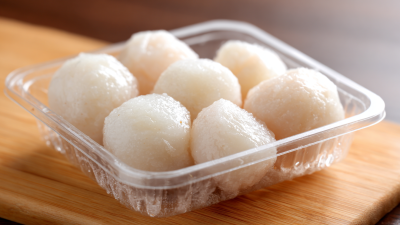
Top Frozen Fishballs How to Choose Cook and Enjoy Them?
Frozen fishballs are a popular choice in many cuisines worldwide. According to the Global Frozen Food Market report, the frozen seafood segment is projected to reach $50 billion by 2025. This surge highlights the growing demand for easy-to-cook options that maintain high nutritional value.
When selecting frozen fishballs, it’s essential to consider quality and sourcing. Look for products with clear labeling and sustainability certifications. Some brands may not meet the necessary standards, which could affect safety and taste. In a market filled with choices, understanding your options is crucial.
Cooking frozen fishballs can be simple, yet many overlook methods that enhance flavor. Steaming, frying, or adding them to soups can create delightful dishes. However, overcooking can lead to texture issues. It’s a process worth refining to fully appreciate their potential. Engaging with different recipes can also inspire creativity in the kitchen.
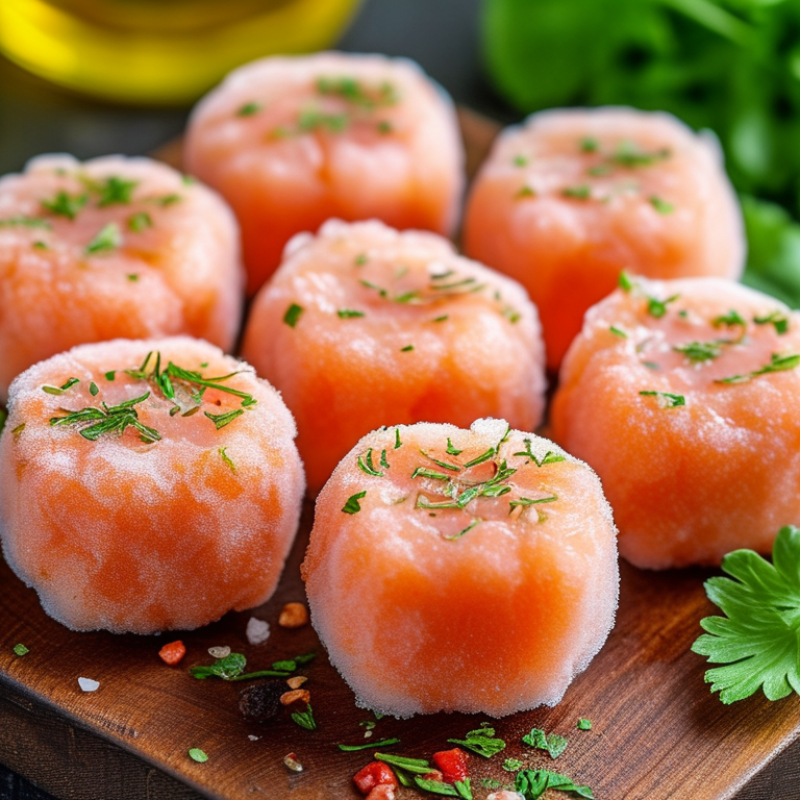
What are Frozen Fishballs? A Comprehensive Overview
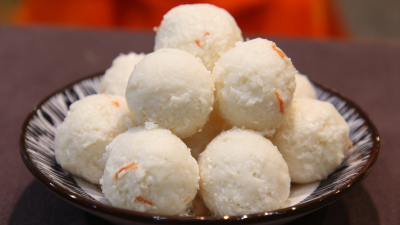
Frozen fishballs are a popular ingredient in many cuisines. They are typically made from minced fish, often mixed with starch and various seasonings. This combination creates a unique texture, perfect for soups, stews, or frying. The convenience of frozen fishballs makes them an excellent choice for quick meals.
When selecting frozen fishballs, look for a product with clear labeling. Check the ingredient list for quality fish and minimal additives. A shorter list usually indicates higher quality. Consider the size and shape; smaller fishballs can be ideal for soups, while larger ones work well when frying.
Cooking frozen fishballs can be a simple process. For boiling, just drop them in hot water until heated through. If frying, ensure the oil is hot to achieve a crispy exterior. One tip is to avoid overcrowding the pan to ensure even cooking.
When enjoying fishballs, try pairing them with a flavorful dipping sauce or adding them to a hearty broth. Experimenting with different seasonings can also enhance the taste. Remember that practice makes perfect; adjust cooking times for your preferred texture.
Factors to Consider When Choosing Quality Frozen Fishballs
Choosing quality frozen fishballs can be a delightful task, but it may also be daunting for some. Look for fishballs that have a smooth, firm texture. They should not feel mushy or overly soft. The color is important as well; fresh fishballs often have a consistent, pale shade. Dark spots or uneven colors can indicate lower quality or spoilage.
Pay attention to the ingredient list. Quality fishballs should primarily list fish and minimal fillers. Avoid those with excessive additives or artificial flavors. Checking the packaging date is also wise. Fresher fishballs will taste better and have a better texture. Noticing how the fishballs are packaged can give hints about handling and storage. If there’s condensation inside, the product may have been thawed and refrozen, compromising its quality.
When cooking fishballs, prepare for variability in cooking times. Some may require longer to cook through. Adjusting based on size ensures an even cook. They should be heated until they’re hot all the way through. Experimenting with different cooking methods can provide unique flavors. Just remember that practice makes perfect; the more you cook, the better your results will become.
Different Cooking Methods for Frozen Fishballs Explained
Cooking frozen fishballs can be a delightful experience. They are versatile and can be prepared using various methods.
Boiling is the simplest way. Just immerse them in boiling water for about
5-7 minutes. This method retains moisture and keeps the fishballs tender. Make sure not to overcook them; otherwise, they might become mushy.
Frying adds a crispy texture. Coat the fishballs lightly in flour, then heat oil in a pan. Fry them until golden brown, usually
4-6 minutes. This method enhances flavor but can add extra calories. It's a great option for a special treat.
Steaming is another healthy cooking method. Place the fishballs in a steamer and cook for roughly
10 minutes. This method preserves their original taste and makes them a great addition to soups.
Tips: Always check the packaging for cooking instructions. Different brands may have specific recommendations. Adjust cooking times to your preference — some prefer their fishballs firmer while others like them softer. Experiment with dipping sauces like sweet chili or soy sauce to enhance the flavor.
Enjoy the process of finding your favorite way to cook these delightful morsels.
Delicious Recipes to Enjoy Frozen Fishballs
Frozen fishballs offer a versatile and convenient option for the busy home cook. They are rich in protein and can be adapted to various cuisines. According to a recent industry report, the frozen seafood market has grown by over 12% annually, highlighting the demand for convenient meal options. This trend emphasizes the importance of knowing how to enjoy frozen fishballs in creative ways.
One delightful recipe involves making spicy fishball soup. Start by simmering fishballs in broth, adding vegetables like bok choy and mushrooms. Spice it up with ginger and chili for an invigorating flavor. Another option is to fry fishballs until golden and serve with a tangy dipping sauce. Experimenting with different sauces can elevate the meal tremendously, making it a family favorite.
Tips: Always check the packaging for cooking instructions. Overcooking can lead to rubbery textures. Also, pairing fishballs with fresh herbs can brighten the dish. Consider using fishballs in stir-fries for added texture and flavor depth. Be open to trying out different cooking methods to find your favorite.
Tips for Storing and Preserving Frozen Fishballs
Frozen fishballs are a delicious addition to many meals. However, proper storage is crucial to maintain their taste and texture. Keeping them in a tightly sealed container can help prevent freezer burn. This preserves the fishballs' flavor and prevents them from absorbing odors from other frozen foods. Using airtight bags can also work well.
When it comes to thawing, patience is key. Thawing in the fridge overnight is ideal. This approach keeps the temperature steady and reduces the risk of bacterial growth. If you're in a hurry, placing them in a sealed bag under cold running water can be an alternative. Just avoid quick-thawing methods that expose fishballs to rising temperatures.
To extend their shelf life, consider freezing leftovers. Divide them into meal-sized portions before storing. This makes it easy to grab only what you need later. Regularly check the expiry dates on your store-bought fishballs. They might be edible past that date, but quality may decline. It’s a balancing act between enjoying frozen delights and ensuring food safety.
Top Frozen Fishballs: How to Choose, Cook, and Enjoy Them
| Dimension |
Details |
| Type of Fish Used |
Cod, Pollock, and Mackerel |
| Cooking Methods |
Boiling, Frying, and Steam Cooking |
| Cooking Time |
5-10 minutes depending on method |
| Serving Suggestions |
Serve with dipping sauce, in soup, or stir-fried with vegetables |
| Storage Tips |
Keep in freezer; avoid thawing and refreezing |
| Shelf Life |
6-12 months when stored properly |
| Nutritional Value (per 100g) |
Energy: 120 kcal, Protein: 15g, Fat: 5g |