How to Source Quality Seafood for Global Buyers?
Sourcing quality seafood food for global buyers is crucial in today’s market. The demand for fresh and sustainable seafood continues to rise, driven by health consciousness and culinary trends. Selecting the right suppliers is not always straightforward. Buyers must prioritize quality and safety standards while navigating a complex supply chain.
Quality checks should start at the source. Engaging with reputable fishing enterprises or aquaculture farms is essential. Buyers need to verify sourcing practices. Is the seafood food traceable? Are sustainable methods used? Trust is built through transparency and commitment to ethical practices.
Many buyers overlook regional variations in seafood quality. Local knowledge can make a significant difference. Understanding specific market requirements helps in selecting the best products. While challenges exist in sourcing, a robust strategy can lead to better partnerships and consistent supply. This journey requires careful consideration and ongoing evaluation to enhance seafood food sourcing efforts.
Identifying Reliable Seafood Suppliers in Global Markets
Finding reliable seafood suppliers is crucial for global buyers. The right supplier ensures quality and sustainability. Many buyers struggle with this process. They often face challenges in verifying the quality and ethical practices of potential suppliers.
To identify trustworthy suppliers, start by checking certifications. Sustainable seafood certifications can indicate a supplier's commitment to quality. Engage with local fishery organizations, which can provide valuable insights. Networking at industry events can help connect buyers with reputable suppliers. Don't hesitate to ask for references from other businesses.
It's important to visit suppliers when possible. Seeing operations firsthand gives you a clearer picture. This can help you assess hygiene practices and overall conditions. However, be aware that not all reputable suppliers will be visible online. Some may prefer word-of-mouth to build their networks. By asking questions, buyers can make more informed decisions.
How to Source Quality Seafood for Global Buyers?
| Supplier Location |
Type of Seafood |
Qualifying Certifications |
Sustainability Rating |
Average Delivery Lead Time |
| Norway |
Salmon |
MSC, ASC |
AA |
2 weeks |
| Chile |
Sea Bass |
BAP |
A |
3 weeks |
| Japan |
Tuna |
MSC |
B |
1 week |
| United States |
Shrimp |
USDA, BAP |
AA |
2 weeks |
| Vietnam |
Catfish |
ASC |
B |
4 weeks |
Evaluating Seafood Quality Standards and Certifications
When sourcing seafood for global markets, quality standards are crucial. Various certifications exist to ensure safety and sustainability. For instance, the Marine Stewardship Council (MSC) certification verifies sustainable fishing practices. The certification process involves a thorough assessment that can take up to two years. However, not all seafood producers pursue these certifications, which may raise questions about their practices.
In 2021, the Global Seafood Alliance reported that 60% of seafood products sold globally lacked proper certification. This gap can affect consumer trust. Buyers must ask about certification status and the origin of the seafood. Inspecting documents can reveal important details about traceability. The absence of certification should prompt further inquiries into fishing methods and labor practices.
Quality assessments often include sensory evaluations. Evaluators look for freshness, smell, and texture. However, these assessments can be subjective. Relying solely on sensory indicators can lead to inconsistencies. Implementing both sensory and scientific analyses can improve evaluations. Regular audits and transparent supply chains are essential steps. Continuous monitoring can help maintain high standards for seafood quality.
Understanding Sustainable Fishing Practices and Their Importance
Sustainable fishing practices are crucial for the seafood industry. Overfishing has led to a significant decline in fish populations worldwide. According to the Food and Agriculture Organization (FAO), about 34% of global fish stocks are overfished. This unsustainable approach not only threatens marine ecosystems but also jeopardizes the livelihoods of communities reliant on fishing.
Implementing sustainable practices is essential for ensuring long-term fish availability. Techniques such as selective fishing and habitat protection can support marine biodiversity. A study from the World Wildlife Fund (WWF) emphasizes the importance of these practices, noting that well-managed fisheries can increase fish populations by up to 30%. However, many fisheries still lack proper management, leading to exploitation and waste. This indicates a pressing need for improved regulatory frameworks and consumer awareness.
Furthermore, consumers play a vital role in promoting sustainability. By choosing certified seafood, buyers can encourage fisheries to adopt better practices. The Marine Stewardship Council reports that sustainable fisheries can maintain fish abundance while supporting local economies. Despite positive strides, the industry grapples with challenges such as illegal fishing and market demand pressures. Balancing these factors requires continuous reflection and commitment from all stakeholders involved in the seafood supply chain.
Building Relationships with Seafood Producers and Exporters
Building strong relationships with seafood producers and exporters is crucial for global buyers. It begins with open communication. Buyers should clearly express their needs. This ensures that producers understand the expectations. Regular dialogue can also help build trust over time. Attending trade shows or industry events can provide direct access to various suppliers. These encounters create opportunities for personal connection. Relationships foster collaboration, leading to shared benefits.
Working with seafood producers requires understanding their challenges. Quality control can be a major concern. Producers may struggle with fluctuating regulations or environmental issues. Buyers should remain patient and empathetic. Regular visits to processing facilities can enhance transparency. This approach helps in understanding the supply chain better. It also allows buyers to evaluate practices firsthand.
It is essential to remain adaptable. Seafood sourcing can be unpredictable. Weather changes or market demands often impact availability. Buyers should be prepared for adjustments. Open discussions about potential obstacles can lead to innovative solutions. By building these relationships, buyers can ensure a consistent supply of quality seafood. The emphasis on partnership can result in long-term success for both parties.
Effective Strategies for Inspecting and Sampling Seafood Products
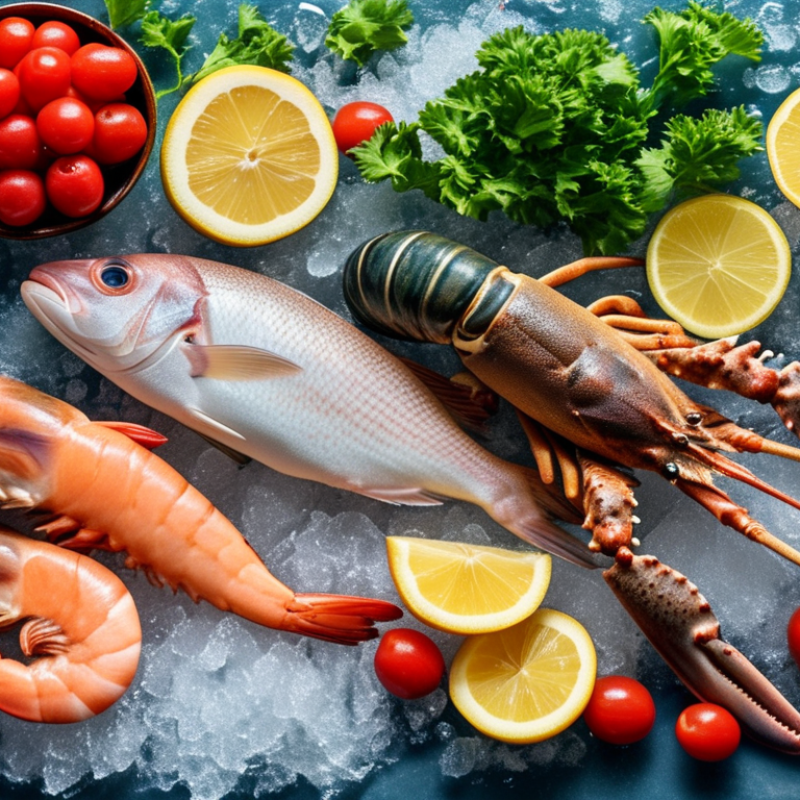
Inspecting and sampling seafood is crucial for ensuring quality. A well-organized inspection can reveal essential details about the product. Start by examining the seafood's appearance. Look for vibrant colors and a firm texture. Fresh fish should have clear, bulging eyes, while shellfish should be tightly closed. These visual cues indicate freshness and superior quality.
Sampling is another essential step. Proper sampling methods ensure you get an accurate representation of the entire batch. Use clean tools to avoid contamination. Cut samples from various parts of the seafood to assess consistency. This process is not foolproof; sometimes, what looks perfect can still be spoiled inside. Careful attention is key.
Ensure you smell the seafood as well. Fresh seafood should have a mild, briny scent, reminiscent of the sea. A strong, fishy odor often indicates decay. Understanding these factors allows buyers to make informed decisions. However, imperfections in the seafood might be noticed during tasting or inspection. This is where experience becomes invaluable. Rely on your senses and knowledge to find the highest quality products.