What is Kami Frozen Squid Ring and How to Use It?
Introducing Kami Frozen Squid Ring brings a world of culinary possibilities right to your kitchen. This seafood delicacy is packed with flavor and can elevate many dishes. The rings are frozen to maintain freshness, ensuring a delightful experience every time.
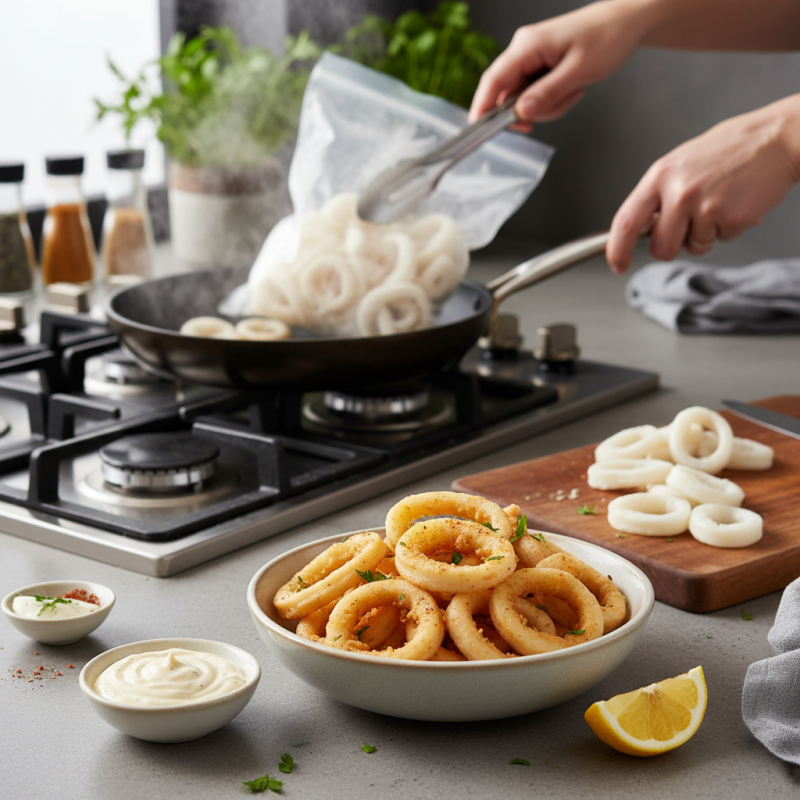
Using Kami Frozen Squid Ring is simple. You can add them to stir-fries or serve them as a crispy snack. Whether deep-frying, grilling, or boiling, these rings cook quickly and evenly. Their tender texture appeals to seafood lovers and novices alike.
Enhancing your meals with Kami Frozen Squid Ring requires minimal effort. Yet, cooking them perfectly might take practice. Remember to not overcook; otherwise, they become tough. Experimenting with different seasonings can transform your dishes. It's all about finding the right balance. Embrace this versatile ingredient and enjoy the journey in your culinary adventures.
What is Kami Frozen Squid Ring?
Kami Frozen Squid Rings are a popular seafood choice for many home cooks. These rings are made from fresh squid, cleaned, and then frozen to maintain their quality. They are convenient to use and can be easily found in many grocery stores. The texture is firm yet tender, providing a satisfying bite.
Using frozen squid rings offers great versatility. You can fry, grill, or bake them. Each method brings out different flavors. It is essential to thaw squid rings before cooking for even results. A quick way to thaw is to place them in cold water for 30 minutes.
Tips: For a crispy texture, coat squid rings in a mixture of flour and cornstarch before frying. This can enhance the crunchiness you desire. Don’t overcrowd the pan while frying; otherwise, the rings may steam instead of fry. Experimenting with spices can also add a unique twist to your dish. Consider using garlic, paprika, or even a hint of lemon zest.
Nutritional Benefits of Kami Frozen Squid Rings
Kami Frozen Squid Rings are a delicious seafood choice packed with nutrition. These squid rings are low in calories and high in protein. They provide essential minerals, such as selenium and copper, which support various bodily functions. The high protein content makes them perfect for those looking to boost their protein intake.
Tips for cooking squid rings: Thaw them in the refrigerator overnight for best results. This keeps the texture from becoming rubbery. Try marinating them in a blend of lime juice and garlic for at least 30 minutes. It adds flavor and enhances tenderness.
These rings are versatile. You can grill, fry, or bake them. Pairing squid rings with fresh vegetables can elevate the dish's nutritional profile. You can experiment with sauces, too. A light soy sauce can bring out the squid's natural flavors. Remember, overcooking can ruin the texture. Keep an eye on them while cooking!
Nutritional Benefits of Kami Frozen Squid Rings
This chart illustrates the nutritional values of frozen squid rings per 100g serving. Squid rings are low in calories and high in protein, making them a great choice for a healthy diet.
How to Prepare and Cook Kami Frozen Squid Rings
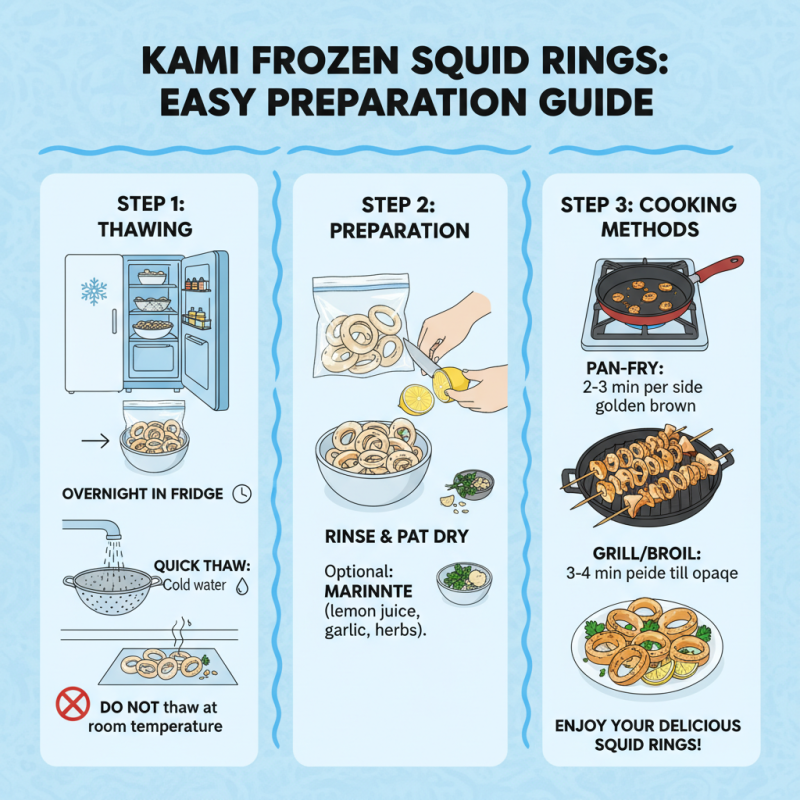
Kami Frozen Squid Rings are a delicious seafood option. Preparing and cooking them can be both simple and rewarding. Begin by thawing the squid rings. Place them in the refrigerator to defrost overnight. If you're short on time, use cold water to speed up the thawing process. Just remember, they should not be left out at room temperature for too long.
Once thawed, it's time to explore cooking methods. A popular choice is frying. Coat the squid rings in seasoned flour for a crispy texture. Fry them in hot oil until golden brown, about two to three minutes. Be careful; overcooking can make them chewy. Alternatively, grilling is a healthy option. Marinate the squid rings in olive oil, lemon, and garlic for 30 minutes. Grill them on medium-high heat for a quick and flavorful dish.
Try adding the cooked squid rings to salads or pasta. They bring a unique seafood flavor to any meal. Experimenting is key. Too much seasoning can overpower the dish. Adjust flavors to suit your taste. Remember, the goal is to enhance the natural taste of the squid, not drown it. Enjoy the process and learn from each cooking attempt.
Delicious Recipes Using Kami Frozen Squid Rings
Frozen squid rings are a versatile ingredient in many kitchens. They are easy to prepare and packed with flavor. You can use them in various dishes, from appetizers to main courses. Let's explore some delicious ways to enjoy these squid rings.
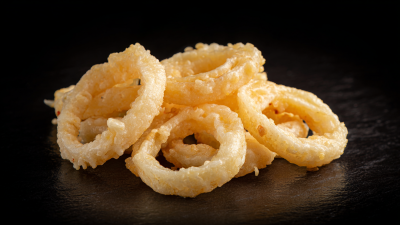
One simple recipe is to fry them. Coat the squid rings in a mix of flour and spices. Heat oil in a pan and fry the rings until golden brown. Serve them with a tangy dipping sauce. They make a perfect snack for gatherings. You can also add them to pasta.
Sauté garlic and onion in olive oil. Toss in the squid rings and cook until tender. Combine with your favorite pasta and sauce for a quick meal.
Another option is to grill squid rings. Marinate them with lemon juice, olive oil, and herbs. Grill over medium heat until they have nice char marks. This method enhances their natural flavors.
Pair the grilled squid with a fresh salad for a refreshing dish. Each method brings out unique textures and tastes. You might find the cooking time tricky at first.
Adjusting heat levels can be a learning curve. Enjoy the process and experiment with different spices!
Storage Tips for Kami Frozen Squid Rings
When it comes to storing frozen squid rings, proper techniques are essential for maintaining quality. The average temperature for keeping frozen seafood should be at or below -18°C. Inadequate storage can lead to freezer burn, which affects texture. Freezer burn occurs when foods are improperly wrapped, exposing them to air. It often isn’t harmful but may impact flavor.
Vacuum-sealing squid rings before freezing can significantly extend their shelf life. Industry reports suggest that vacuum-sealed seafood can last up to 3 years in proper conditions. However, it is wise to use them within six months for optimal taste. Keeping squid rings in airtight containers helps prevent odors and moisture accumulation.
Thawing frozen squid rings requires attention, too. Avoid thawing at room temperature; this can promote bacterial growth. Instead, place them in the refrigerator overnight or submerge them in cold water for quicker thawing. It's easy to overlook these details, yet they can make a marked difference in a dish’s outcome. Adopting these storage and thawing tips ensures that flavor and texture remain intact.