How to Cook Frozen Squid Fillet?
Cooking Frozen Squid Fillet looks simple, yet texture can change within seconds. A pan that is too cool may release water, while excessive heat can make the flesh rubbery. This guide explains practical methods for thawing, drying, seasoning, and cooking squid with greater control.
Chef and seafood advocate Barton Seaver has said, “Seafood is the healthiest protein on the planet.” His statement highlights an important point: good results depend on both nutrition and careful preparation. Frozen squid can remain tender when handled properly. Keep it cold before cooking. Thaw it safely in the refrigerator, then pat every surface dry with clean paper towels. Moisture is the quiet problem.
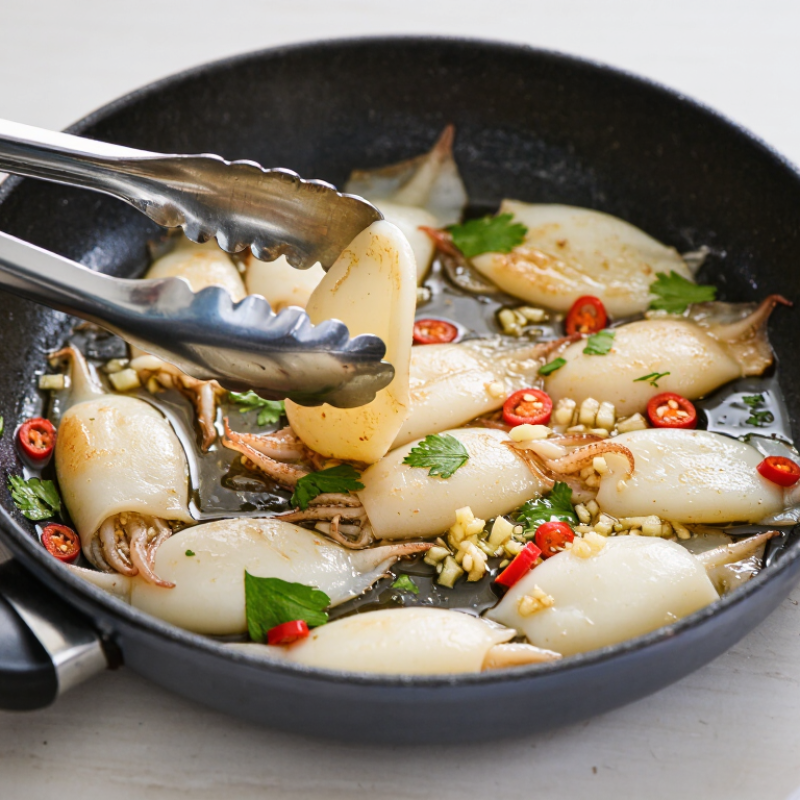
A hot skillet, a small amount of oil, and quick cooking usually work well. Thin Frozen Squid Fillet may need only one to two minutes per side. Watch the edges. They should turn opaque and curl slightly, not shrink dramatically. Slow braising can also soften squid, but it requires patience and enough liquid. I sometimes over-season squid because its flavor seems mild at first. That is a mistake. Lemon, garlic, parsley, chili, and black pepper can add brightness without hiding the seafood.
Texture is the real test.
Use a food thermometer when practical, and follow local seafood safety guidance. Frozen products vary in thickness, glaze, and quality, so timing cannot be absolute. A recipe gives direction, not permission to stop observing.
Understanding Frozen Squid Fillets and Safe Thawing Methods
How to Cook Frozen Squid Fillet?
Frozen squid fillets are usually cleaned, flattened, and protected by a thin layer of ice. That coating can prevent freezer burn, but it also hides their actual texture.
I prefer thawing them slowly in the refrigerator overnight. Place the fillets in a covered container to catch liquid and prevent drips. Keep the refrigerator at 4°C or below. Never thaw squid on the kitchen counter.
Short on time?
Use cold water. Seal the fillets in a leakproof bag, then submerge the bag in cold water. Change the water every 30 minutes. A thin fillet may thaw within an hour.
Do not use warm water, because the surface can enter an unsafe temperature range. A microwave can thaw squid, but only on a low setting. Cook it immediately afterward.
After thawing
Rinse away loose ice and pat the squid completely dry. Wet squid steams instead of searing. Heat a pan until hot, add a little oil, and cook the fillet briefly on each side.
The flesh should turn opaque and reach 63°C internally.
Overcooking makes squid chewy very quickly.
I have sometimes cooked it too long while preparing the sauce, and the texture suffered. Timing matters more than complicated seasoning.
If the raw fillet smells strongly sour or feels unusually slimy, discard it. When uncertain, do not taste it.
Preparing Squid Fillets for Even Cooking
Frozen squid fillets cook evenly only when their thickness and moisture are controlled. Thaw them overnight in the refrigerator, or place them in a sealed bag under cold running water. Never leave seafood on the counter. Once thawed, rinse away loose ice and pat every surface dry with paper towels. Excess water creates steam, not browning.
Inspect each fillet for uneven edges, tough membrane, or thick corners. Trim ragged sections with a clean knife. If one side is much thicker, make shallow diagonal cuts across it, spacing them about one centimeter apart. Do not cut completely through the flesh. These small lines help heat reach the center without tearing the fillet. Keep the pieces similar in size. That matters more than perfect shape.
Heat the pan before adding the squid, then use a thin layer of oil. Cook in a single layer, leaving space between pieces. A crowded pan cools quickly. Cook small fillets briefly, turning once, until they become opaque and lightly firm. Thick pieces may need gentler cooking for longer, but avoid guessing by color alone. Texture is the better guide. They should bend easily, not feel rubbery. I sometimes cook squid a minute too long when distracted, so I prepare the timer before the pan gets hot. Serve immediately, because resting can make the surface watery and the flesh tougher.
How to Cook Frozen Squid Fillet: Preparing Squid Fillets for Even Cooking
Cooking guidance: Squid is usually cooked either very quickly or slowly. For tender fillets, sauté or grill for about 2–3 minutes, or simmer gently for approximately 30–45 minutes. Thaw frozen squid completely, pat it dry, and cook it evenly in a single layer. Food-safety guidance recommends an internal temperature of 145°F (63°C).
Cooking Squid Fillets Quickly Without Making Them Tough
How to Cook Frozen Squid Fillet?
Frozen squid fillets can become tender quickly when cooked over strong heat. Thaw them in the refrigerator, then rinse away any ice and pat them very dry. Moisture makes the squid steam instead of sear. Slice thick fillets into rings or score them in a shallow diamond pattern. Heat a wide pan until very hot, add a little oil, and cook the squid in a single layer. Give each piece about 60 to 90 seconds per side. Remove it when the flesh turns opaque and curls lightly.
Do not leave squid in the pan while preparing the sauce. That small delay can make it rubbery. I sometimes overcook the first batch when the pan is crowded, so cooking in smaller portions works better. For reliable results, the squid should reach a safe internal temperature and remain hot throughout. If you prefer a softer texture, simmer it gently in a seasoned liquid for 30 to 45 minutes. The quick method and the slow method work well; the middle cooking time is usually the problem.
Tips: Dry the fillets carefully. Use high heat. Avoid constant stirring. Add lemon juice after cooking, not before, because acidity can change the texture. Let the cooked squid rest for one minute, then serve it with herbs, vegetables, or warm rice.
How to Cook Frozen Squid Fillet? - Cooking Squid Fillets Quickly Without Making Them Tough
| Cooking Method |
Preparation |
Heat Setting |
Approximate Cooking Time |
Best Texture Cue |
Key Tip |
| Pan-Sear |
Thaw in the refrigerator, or rinse briefly under cold running water. Pat very dry. |
High heat |
1–2 minutes per side |
Opaque, lightly browned, and just firm |
Do not overcrowd the pan; excess moisture causes steaming. |
| Grill |
Thaw, dry thoroughly, and brush lightly with oil. Cut into large pieces if needed. |
High heat, about 230–260°C / 450–500°F |
2–3 minutes per side |
Light grill marks and opaque flesh |
Use a hot grate and turn only once when possible. |
| Stir-Fry |
Thaw, drain, pat dry, and slice into strips of even thickness. |
Very high heat |
2–3 minutes total |
Firm and curled at the edges |
Cook squid separately if the vegetables release a lot of water. |
| Poach |
Thaw and place in gently simmering seasoned water or broth. |
Gentle simmer, about 85–95°C / 185–203°F |
3–5 minutes |
Opaque and tender, without a rubbery bite |
Avoid a vigorous boil, which can toughen thin fillets. |
| Deep-Fry |
Thaw completely, pat dry, then coat with flour or batter. |
175–190°C / 350–375°F oil |
1–2 minutes per batch |
Golden coating and opaque center |
Fry in small batches to keep the oil temperature stable. |
| Slow Braise |
Thaw and add to a simmering sauce or stew after the base flavors develop. |
Low simmer |
30–45 minutes |
Tender enough to cut easily with a fork |
Squid is usually tender either very quickly or after a longer braise; avoid the in-between stage. |
Food Safety
Cook squid until it is opaque and reaches 63°C / 145°F internally, as measured in the thickest part.
Safe Thawing
Thaw in the refrigerator or in a sealed bag under cold water. Do not thaw seafood at room temperature.
Texture Rule
For quick cooking, use high heat and short timing. For a tender braise, cook gently for at least 30 minutes.
Checking Doneness and Serving Cooked Squid Fillets
How to Cook Frozen Squid Fillet?
Frozen squid fillets need gentle handling. Thaw them overnight in the refrigerator, then pat them completely dry. Moisture causes steaming instead of browning. For quick cooking, use a very hot pan and cook the fillets for about 60–90 seconds per side. The flesh should turn pearly white, curl slightly, and feel springy.
Use a food thermometer when possible. The FDA Food Code 2022 recommends cooking seafood to 145°F (63°C), measured at the thickest point. Squid can reach this temperature quickly, so avoid prolonged frying. Overcooked squid becomes rubbery and difficult to chew. That texture is not a safety sign; it usually indicates excessive heat exposure.
I still find visual checks useful, but thick fillets can look ready before the center heats evenly. Slice one open. The center should be opaque, hot, and firm without a glassy appearance. If it remains translucent, continue cooking briefly and check again.
Tips:
Drain excess water before seasoning. Add lemon after cooking, not before. For larger frozen pieces, simmer them gently for 25–35 minutes instead. Keep the cooking liquid below a vigorous boil.
The FDA also advises preventing cross-contamination by washing hands, utensils, and surfaces after handling raw seafood.
Serve cooked squid immediately with herbs, garlic, steamed rice, or a crisp salad. Resting it for several minutes may soften the texture, although I would not rely on resting alone to finish undercooked squid.