For global seafood buyers, sourcing Frozen Squid Tentacles is not just a price comparison. Product form, species identification, size grading, glazing, and packing details can shape yield and customer acceptance. A carton that looks uniform on arrival may tell only part of the story. Ask for clear specifications before comparing quotes.
Reliable suppliers should explain where their squid is processed, how lots are identified, and how frozen product is handled during storage and shipment. Request current product sheets, sample photographs, relevant facility or quality documentation, and realistic lead times. Check whether the supplier can provide the sizes and packaging your market needs. Temperature records matter. So does communication when plans change.
This guide considers supplier capabilities that buyers can verify, rather than relying on promotional claims alone. Compare consistency across sample and production orders, not just the first box. Clarify minimum order quantities, payment terms, shipping arrangements, and how quality concerns are reviewed. Requirements vary by destination, so confirm applicable import and food-safety rules with qualified local professionals. Even careful checks cannot remove every risk. That is worth admitting. A supplier may look strong on paper but struggle during peak season; buyers should test claims with practical questions and documented follow-up. The aim is to help readers shortlist dependable partners and make decisions with better evidence, not promise a perfect purchase.
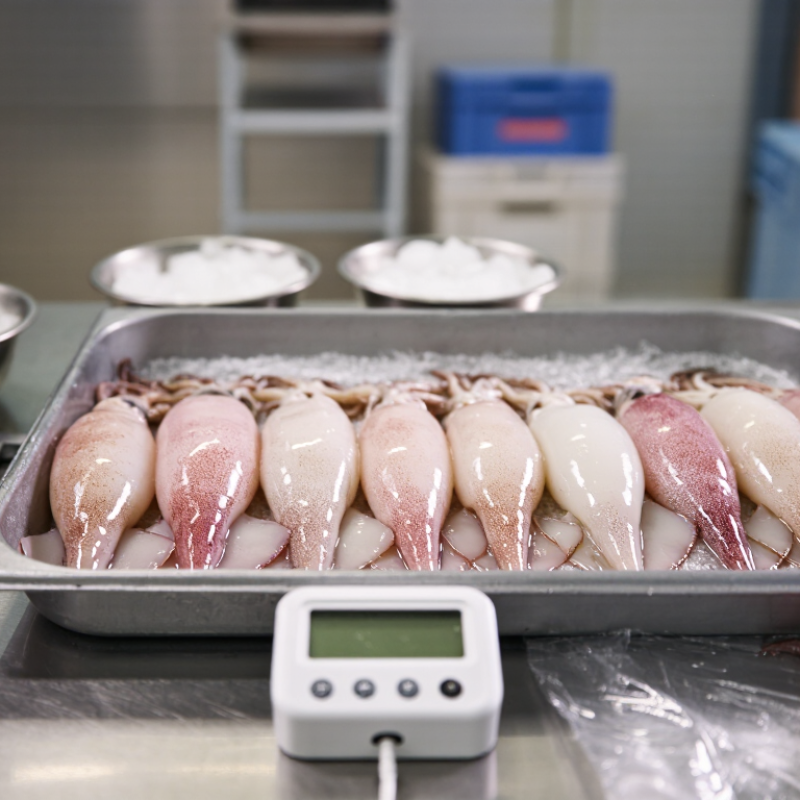
Frozen squid tentacles are not a uniform commodity. Species, harvest area, cut style, and processing method can change texture, color, and yield after thawing. Buyers should specify whether the product includes arms only or arms with part of the head. They should also define size by piece count or weight range, plus acceptable breakage and discoloration. Small details matter. A carton labelled “tentacles” may not describe the same cut across suppliers. FAO’s 2024 SOFIA report recorded 223.2 million tonnes of global fisheries and aquaculture production in 2022, including 185.4 million tonnes of aquatic animals. Those totals describe the broader seafood sector, not squid alone.
For tender texture, check whether the tentacles are individually quick frozen or block frozen, and ask for the processing date and glaze percentage. Confirm declared net weight excludes the protective ice glaze. The Codex Code of Practice for Fish and Fishery Products (CXC 52-2003) provides guidance on hygienic handling and maintaining frozen products at -18°C or colder. Request temperature records, lot traceability, and product specifications before purchase. A thawing test can reveal excess drip, tough texture, or uneven sizing. I would still compare samples against the written specification; paperwork cannot show every flaw. A clear spec makes comparisons fairer.
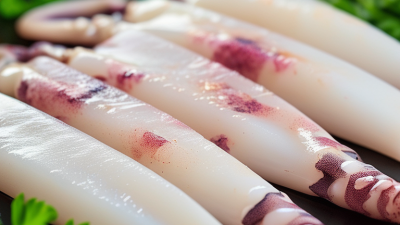
For global buyers, supplier evaluation should begin with traceability, not price. Ask for the squid species, harvest area, catch date, processing site, and lot-level records. Compare these details with FAO FishStat data, while recognizing that broad capture statistics cannot verify an individual shipment. The FAO’s The State of World Fisheries and Aquaculture 2024 reports 185.4 million tonnes of aquatic animal production in 2022. That scale makes clear, documented sourcing valuable. Small details matter.
Product checks should be written into the specification: tentacle size range, glaze percentage, net weight, packaging condition, and acceptable thaw drip. Request recent test results and temperature records for storage and transport. A sample thawed under controlled conditions can reveal excess water, damaged suckers, or a weak texture. The same FAO report estimates that 62.3% of assessed marine fish stocks were fished within biologically sustainable levels in 2021; this is not a squid-specific supplier rating, but it supports asking for credible origin and fishery information. No single certificate proves consistent quality.
Tips: Compare suppliers using the same sample size and thawing method. Record net weight before and after thawing, and check that shipment documents match carton lot codes. If records are incomplete, pause and ask why.
Supplier evaluation note: Use −18°C or colder as the cold-chain benchmark at storage, transport, distribution, and receipt. These are Codex-based reference values, not measured supplier results; confirm product temperatures and applicable local requirements during supplier assessment.
Major Supplier Regions and Exporter Profiles
Frozen squid tentacles commonly come from South American fishing grounds and Asian processing hubs. Peru and Argentina are notable sources of wild-caught squid, while China, India, and Vietnam have established processing and export capacity. These roles can overlap, but a processing country is not always the catch origin. Ask suppliers for the species name, catch area, production date, and lot-specific traceability records. The map is not tidy.
FAO’s State of World Fisheries and Aquaculture 2024 reports total global fisheries and aquaculture production of 223.2 million tonnes in 2022, including aquatic animals and algae. This is broad industry context, not a squid-only figure. For buyers, the practical point is that supply conditions differ by species and season. Exporter profiles should therefore show whether tentacles are individually frozen or block-frozen, and provide glaze, net weight, and size specifications. Check that stated origin matches the catch and processing documents.
Tips: Request recent shipment records and representative photos of thawed product. Compare net weight, not just carton weight. A low price can hide uneven sizing or excess glaze; inspect a sample before placing a large order.
Frozen squid tentacles are sold raw or cooked, skin-on or cleaned, and as individually quick-frozen pieces or solid blocks. These forms affect handling, yield, and price. Ask for tentacle count or size range, glazing percentage, net weight, and recent product photos. A low quote can look attractive until glaze and trimming reduce usable yield.
Compare offers on the same basis: currency, Incoterm, port, pack size, minimum order, and shipment window. Prices move with species, season, size, processing, and freight, so one quotation rarely tells the whole story. The FAO’s State of World Fisheries and Aquaculture 2024 reports that aquatic animals supplied 89% of aquatic animal production for human consumption in 2022. That broad market context is useful, but it does not predict tentacle prices or availability. Ask suppliers for dated quotations and recent shipment records.
Certifications should match the buyer’s market and the actual processing site; verify certificate scope and validity rather than relying on a logo. Request lot-specific temperature records, microbiological test results, and traceability documents. For capacity, compare monthly volume with confirmed harvest and packing schedules, not just a stated maximum. Small details matter. I would still allow room for error: forecasts can change, and a polished specification sheet cannot replace a sample trial.
For frozen squid tentacles, import preparation starts with product details, not just a price quote. Confirm the scientific species name, country of origin, processing method, pack size, and declared net weight. Entry documents vary by destination and may include health certificates, catch or production records, and prior shipment notifications. Check current requirements with the destination’s competent authority or customs broker before loading. Paperwork matters.
Keep the cold chain unbroken. Set the reefer to the temperature specified by the buyer and applicable rules, commonly -18°C or colder for frozen seafood. Ask for loading and transit temperature records, and confirm that the container was pre-cooled. Cartons should be dry, intact, and stowed to allow airflow. A brief door opening can warm nearby cases, even when the container display looks stable. Keep it cold.
Quality checks should be practical and documented. Compare carton labels with the invoice and lot records, then inspect for torn packaging, excessive frost, or signs of thawing and refreezing. Sample cartons from different pallet positions; check glaze, size consistency, color, and texture after controlled thawing. Any odor should be assessed carefully, since frozen product can mask defects. Photos and a written inspection report help resolve claims, though no checklist catches everything. A second opinion can be worthwhile.
Compare sourcing regions and supplier capabilities rather than company names. Species, documentation, and import rules vary by product and destination; confirm current requirements with the relevant authorities and your customs broker.
| Sourcing region / route | Species and product details to verify | Import and traceability checks | Cold-chain logistics | Incoming quality checks | Buyer considerations |
|---|---|---|---|---|---|
| Argentina / Southwest Atlantic | Wild-caught squid products may include Argentine shortfin squid (Illex argentinus). Confirm that the tentacle cut and species match the specification and label. | Check the health certificate, catch and vessel details, lot identification, country of origin, and any destination-specific catch documentation. | Request the freezing date, storage records, reefer set point, and temperature data for transit. Frozen seafood is commonly maintained at −18°C or colder; verify the applicable destination standard and contract terms. | Inspect thawed samples for odor, texture, discoloration, excessive glaze, dehydration, and signs of thawing and refreezing. | Ask for seasonal availability, pack-size options, and evidence linking each lot to its catch and processing records. |
| Peru / Southeast Pacific | Jumbo flying squid (Dosidicus gigas) is a commercially important regional squid. Confirm species, cut definition, and whether tentacles are whole, trimmed, or separated. | Verify establishment eligibility where required, official health documentation, processing establishment details, lot traceability, and any applicable catch documentation. | Review pre-shipment loading temperatures, reefer records, seal numbers, and contingency procedures for port delays or equipment failure. | Check net weight, glaze percentage against the agreed specification, count or size grade, foreign matter, and package integrity. | Agree on a written product specification and sampling plan before placing a commercial order, especially when grading by size or count. |
| India / Indian Ocean | The region supplies several squid species and product formats. Require the scientific species name, harvest area, and precise description of the tentacle cut on the specification and shipment documents. | Check exporter and processing-plant details, health certificate, lot codes, origin information, and destination-market residue or contaminant requirements. | Confirm frozen storage and transport conditions, temperature-monitoring records, carton stacking limits, and that the container is suitable for frozen cargo. | Test representative samples for thaw loss, texture, odor, visual defects, and compliance with agreed glazing and size tolerances. | Do not rely on a common name alone: common names can refer to different species in different markets. |
| China / processing and export route | Processors may handle squid from different origins and species. Confirm whether the product is locally sourced or processed from imported raw material, and keep species and origin declarations consistent across records. | Verify the approved establishment where required, health certificate, raw-material origin, processing records, lot-level traceability, and applicable catch documentation. | Request continuous or logger-based temperature evidence where available, plus loading photographs, container seal details, and a documented plan for temperature excursions. | Compare the finished product with the approved sample; check cut uniformity, glaze, net weight, carton labeling, and evidence of temperature abuse. | For processed or mixed-origin supply, audit mass-balance and traceability records from raw material through finished cartons. |
| Vietnam / processing and export route | Products may use locally landed or imported squid. Specify scientific species, harvest or raw-material origin, processing form, and whether the tentacles are individually quick frozen (IQF) or block frozen. | Check health certification, establishment eligibility where required, raw-material traceability, lot coding, and any destination-specific catch or import-control documents. | Confirm the product is fully frozen before loading, packaging is suitable for frozen transport, and the shipment temperature is monitored through dispatch and transit. | Review thawed-sample appearance and texture, glaze and net-weight results, packaging condition, and laboratory reports required by the buyer or importing market. | Assess processing controls and raw-material traceability separately; a processing location does not by itself establish the catch origin. |
Practical import checklist: Confirm the product’s scientific name and origin; check destination-specific health, establishment, labeling, and catch-document requirements; agree on net weight, glaze, size grade, and freezing method; review temperature and traceability records; and inspect a representative pre-shipment sample. For the United States, seafood imports are subject to applicable FDA requirements, including Seafood HACCP provisions. For the European Union, relevant products are subject to applicable official controls and certification requirements; additional catch documentation may apply to covered wild-caught products.