Top Frozen Squid Strips Benefits and Cooking Tips for Seafood Lovers?
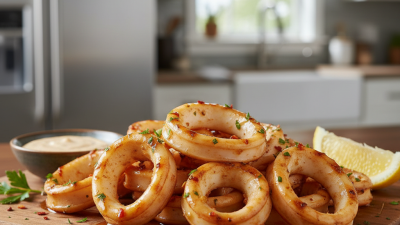
Frozen Squid Strips have become a popular choice for seafood enthusiasts around the world. These strips offer numerous benefits that make them a go-to option in many kitchens. One key advantage is their convenience. They are pre-cut and ready to use, allowing for quick meal preparation. Additionally, Frozen Squid Strips are rich in protein and low in calories, which supports a healthy diet.
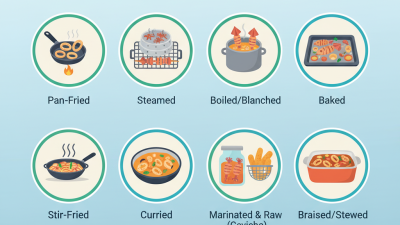
Cooking with these squid strips can be fun and creative. They can be grilled, sautéed, or added to soups and salads. The flexibility in cooking methods makes them suitable for various cuisines. However, it’s crucial to avoid overcooking. Overcooked squid becomes tough and chewy. Striking the right balance is essential for a delightful culinary experience.
While Frozen Squid Strips are widely available, not all products are created equal. Be sure to check the source and quality. Freshness and sustainability matter. For seafood lovers, knowing where the squid comes from adds value to the dining experience. Ensuring that you select high-quality products can profoundly impact taste and health.
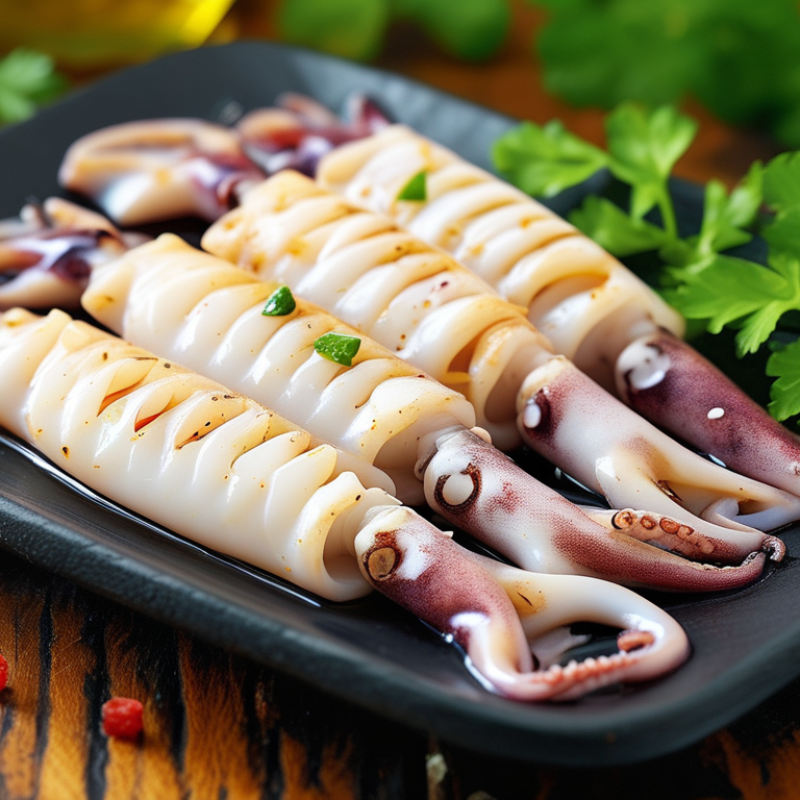
Benefits of Frozen Squid Strips for Health-Conscious Consumers
Frozen squid strips are a nutritious choice for health-conscious consumers. They are rich in protein, low in calories, and offer essential nutrients like omega-3 fatty acids, vitamins B12, and selenium. A serving of squid provides approximately 14 grams of protein while containing just 78 calories. This makes them ideal for those seeking a high-protein, low-fat diet.
According to the Food and Agriculture Organization (FAO), the global demand for seafood is increasing. Squid is recognized for its health benefits. The Journal of Nutritional Science highlights that consuming seafood contributes to heart health and may lower risks of chronic diseases. However, it's essential to be cautious about sourcing. Not all frozen squid is equal; some may be harvested unsustainably or contain preservatives. Checking packaging for labels indicating responsible fishing is crucial.
Cooking frozen squid strips can be quick and easy. Frying, grilling, or boiling are popular methods. Still, overcooking can lead to rubbery textures. Ideally, aim for a cooking time of about 2-3 minutes. This preserves tenderness and enhances flavor. Experimentation is key; finding the perfect balance might require practice.
Nutritional Profile: What Makes Frozen Squid Strips a Smart Choice
Frozen squid strips are packed with nutritional benefits that seafood lovers should consider. They are low in calories, making them an excellent choice for health-conscious individuals. A 100-gram serving typically contains around 92 calories, coupled with a rich protein content of approximately 16 grams. Additionally, these strips are a source of essential vitamins and minerals. For instance, they provide a significant amount of vitamin B12, which is crucial for nerve health and red blood cell formation.
The presence of omega-3 fatty acids in frozen squid strips is noteworthy. Research indicates that these fatty acids can promote heart health and reduce inflammation. This seafood option is also naturally low in saturated fat, making it an ideal alternative to red meat. However, one must be cautious about sodium levels, as some frozen squid products have added salt for preservation.
From a culinary perspective, frozen squid strips offer versatility. They can be grilled, fried, or added to stir-fries. Yet, overcooking can lead to a rubbery texture, which might detract from the experience. Mastering the cooking time is essential. Aim for quick, high-heat cooking methods. This ensures that the squid remains tender and flavorful. Embracing these elements can elevate your seafood cooking game while keeping health in focus.
Essential Cooking Techniques for Perfectly Prepared Squid Strips
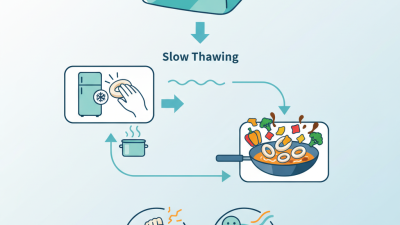
Cooking squid strips can be a rewarding experience. Known for their subtle flavor and tender texture, they can elevate many dishes. For perfectly prepared squid strips, start with thawing them properly. Remove them from the freezer and place them in the refrigerator overnight. This helps maintain their quality. If you’re in a hurry, seal them in a plastic bag and submerge in cold water.
Once thawed, pat the strips dry to eliminate excess moisture. Moisture can affect the texture while cooking. Try slicing the strips into uniform sizes, ensuring they cook evenly. Choose a cooking method that suits your taste.
Grilling gives a smoky finish, while sautéing brightens their natural flavor. A quick cook time is key. Overcooking can result in rubbery squid, which is less than ideal.
Don’t be afraid to experiment with seasonings. A sprinkle of salt, a dash of lemon juice, or a splash of soy sauce can enhance their taste. Remember, learning the perfect cooking technique takes time. You may initially struggle with texture or seasoning balance. Reflect on your cooking experiences, and embrace the process. Each attempt brings you closer to perfection.
Enjoy the journey!
Delicious Recipes Featuring Frozen Squid Strips for Every Palate
Frozen squid strips are a versatile ingredient that brings a taste of the ocean to your kitchen. They can be prepared in various ways, appealing to different palates. According to the National Fisheries Institute, seafood consumption has been rising steadily. Many households are seeking healthier options, and frozen squid strips fit the bill with their low calorie content yet high protein value. A serving typically provides about 15 grams of protein and only 80 calories, making it a great choice for a nutritious meal.
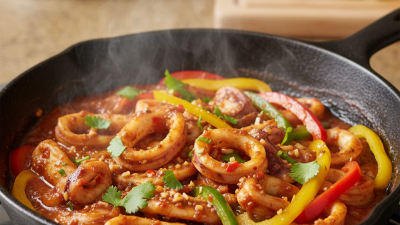
In the kitchen, preparation is simple. You can grill, fry, or incorporate squid strips into salads or pasta dishes. For instance, a quick stir-fry with vegetables and a garlic sauce creates a satisfying dish in minutes. Some people overlook squid strips for their texture, which can be chewy if not cooked properly. It's essential to avoid overcooking to maintain a tender bite. Chef recommendations often highlight the importance of marinating the strips before cooking to enhance flavor and tenderness.
Many recipes remain underappreciated, such as squid tacos or spicy squid salad. These dishes offer a delightful kick, making them perfect for adventurous eaters. However, exploring these recipes requires some experimentation. The balance of seasoning and cooking time often needs refinement. Not everyone will nail it on the first try, but that's part of the culinary journey. Embracing the process is vital to discovering the joys of cooking with frozen squid strips.
Storage Tips to Maintain Freshness and Flavor of Frozen Seafood
When it comes to frozen squid strips, proper storage is key to retaining their freshness and flavor. Evidence suggests that seafood can lose quality over time if not stored correctly. According to the Seafood Research Institute, maintaining a consistent temperature below -18°C significantly extends the usability of frozen seafood.
To keep your frozen squid strips in top condition, use airtight packaging. Vacuum sealing is ideal, as it prevents freezer burn. Be mindful that even at freezing temperatures, seafood can absorb odors from the freezer. Hence, organizing your freezer is essential. Label the packaging with dates for better tracking. Regularly check your freezer to avoid unwanted frost build-up.
Cooking these strips quickly after thawing is vital. Avoid refreezing thawed squid, as this can compromise texture and flavor. Studies indicate that squid, when cooked at higher temperatures, enhances their natural sweetness and tenderness. Aim for a cooking time of 2-3 minutes, ideally in a controlled heat environment, to perfect this delicate seafood. Remember, every small detail counts in achieving the best culinary experience.