What is Frozen Squid Meat and How to Purchase It?
Frozen Squid Meat has gained popularity in seafood markets for its versatility and flavor. Chef Maria Lopez, an industry expert in seafood procurement, states, "Choosing high-quality Frozen Squid Meat is essential for any dish." This highlights the importance of sourcing and selecting the right product.
Consumers may often find it challenging to distinguish quality Frozen Squid Meat. The market offers various options, and not all are created equal. Many people overlook factors like freshness and proper freezing techniques. These factors significantly influence taste and texture, critical for culinary applications.
When purchasing Frozen Squid Meat, understanding labeling is vital. Look for indications of sustainability and traceability. Labels can inform you about the squids' origin and freezing methods. Remember, not all suppliers are equal. Researching and comparing options can enhance your dining experience.
What is Frozen Squid Meat?
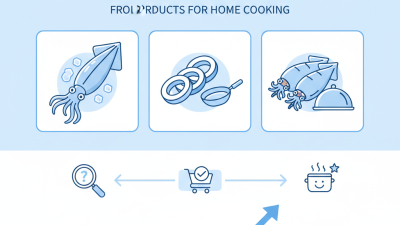
Frozen squid meat is a popular seafood option known for its versatility and rich flavor. It usually comes cleaned and ready to cook. Many home cooks appreciate its quick cooking time and ability to absorb various marinades. Using frozen squid allows you to enjoy ocean-fresh ingredients year-round.
Tips: When purchasing frozen squid meat, check for bright color and minimal ice crystals. These signs indicate freshness. Packaging should be airtight to prevent freezer burn. If unsure, buy from reputable seafood suppliers. It’s essential to check the product details on the label.
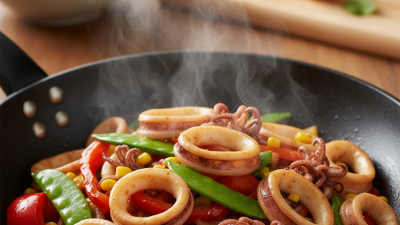
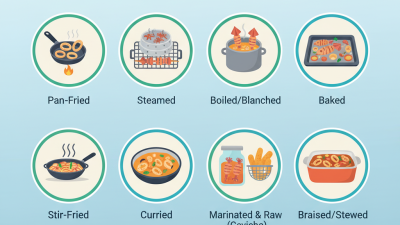
Frozen squid can be used in various dishes, from stir-fries to grilled options. You can create delicious calamari or add it to soups. However, overcooking can lead to a rubbery texture. Aim for just a few minutes on high heat or boiling. Experimenting with cooking times is essential for the best result.
Frozen Squid Meat Consumption by Region (2023)
Nutritional Benefits of Frozen Squid Meat
Frozen squid meat is not only a convenient seafood option but also a nutritional powerhouse. It is low in calories and high in protein, making it an excellent choice for health-conscious consumers. According to the USDA, a 100-gram serving of cooked squid contains about 92 calories and 15 grams of protein. This high protein content is essential for muscle maintenance and repair.
Additionally, frozen squid meat is rich in omega-3 fatty acids. These fats are crucial for heart health and brain function. A report from the National Institutes of Health highlights that a diet rich in omega-3s can help reduce inflammation and lower the risk of chronic diseases. Frozen squid is also a good source of vitamins and minerals. It contains vitamin B12, which supports nerve function and red blood cell formation.
While frozen squid lacks the freshness of live seafood, its nutritional value remains significant. However, one must be cautious about its sodium content, which can be high in processed forms. When purchasing, check the labels for added preservatives and sodium levels. Balancing frozen squid with fresh vegetables can create a wholesome meal that addresses both protein needs and nutrient density.
What is Frozen Squid Meat and How to Purchase It? - Nutritional Benefits of Frozen Squid Meat
| Nutritional Component |
Amount per 100g |
Daily Value (%DV) |
| Calories |
92 kcal |
5% |
| Protein |
17.5 g |
35% |
| Fat |
1.2 g |
2% |
| Carbohydrates |
2.2 g |
1% |
| Omega-3 Fatty Acids |
0.5 g |
N/A |
Different Types of Frozen Squid Available for Purchase
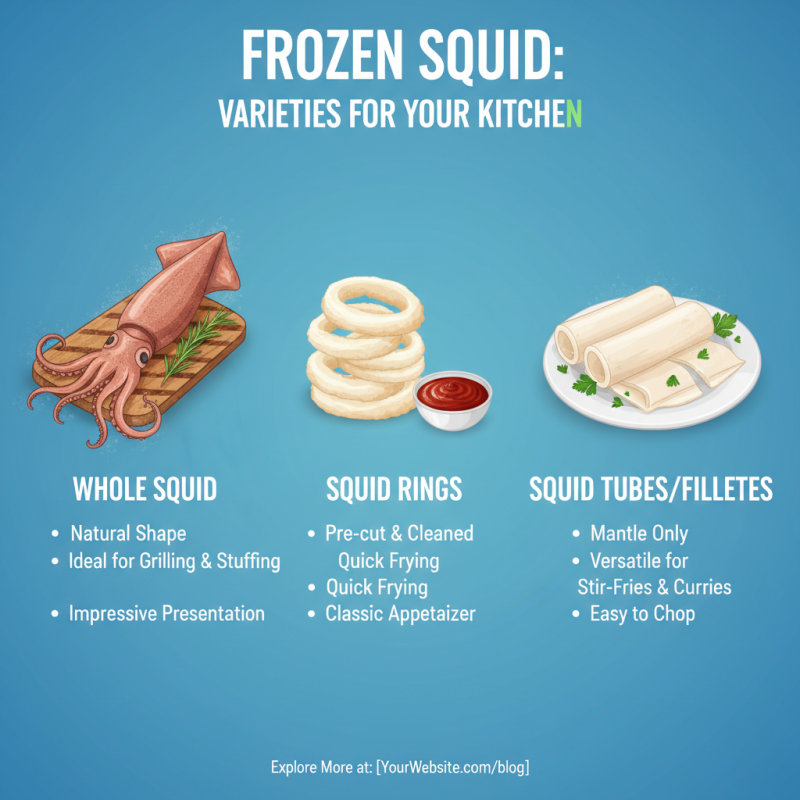
When exploring frozen squid, it's essential to know the different types available. Squid comes in various forms. Whole squid maintains its natural shape, perfect for grilling or stuffing. It provides a unique presentation on the plate, appealing visually and tastefully.
Cleaned squid, on the other hand, has been prepped for convenience. This type is ideal for quick meals. You can find it cut into rings or strips, making it easy to toss into stir-fries or salads. When purchasing, the freshness of the squid is key. Look for a firm texture and avoid any with a fishy smell.
Stuffed squid is another option, often filled with a mix of seafood, rice, or vegetables. This variety offers a robust flavor profile. However, it can sometimes be overly salty. Be cautious with seasoning while cooking. Each type has its merits and potential drawbacks, so understanding these differences can significantly enhance your culinary experience.
How to Choose Quality Frozen Squid Meat
When selecting quality frozen squid meat, visual inspection is crucial. Look for squid with a bright, clean color. A pale appearance can indicate age or poor handling. Check for any discoloration or dark spots, as these may signal spoilage. The texture should be firm and elastic when pressed. Soft or mushy squid may have been thawed and refrozen, leading to loss of quality.
Another important factor is the packaging condition. Ensure the vacuum seal is intact. Damaged packaging can expose squid to air, causing freezer burn. Pay attention to the expiration date, as freshness is key to flavor and texture. If buying in bulk, consider the size of the squid. Smaller squid tend to offer a more tender bite compared to larger, tougher varieties.
Lastly, obtaining information about sourcing can enhance your purchasing confidence. Reliable suppliers often provide details about where the squid comes from. Local markets may have fresher options than large, commercial distributors. Engaging with knowledgeable staff can also guide your choice. This small interaction might reveal seasonal availability and preparation tips. Making informed decisions will lead to better culinary experiences.
Best Practices for Storing and Thawing Frozen Squid Meat
When it comes to frozen squid meat, proper storage and thawing are crucial for maintaining its quality.
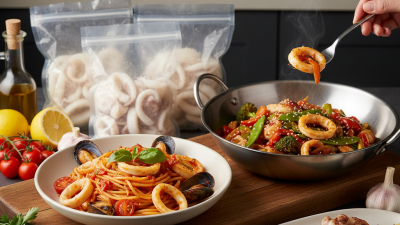
To store, place the frozen squid in an airtight container or freezer bag. This step helps prevent freezer burn, which can ruin the texture and flavor.
Make sure to squeeze out as much air as possible before sealing. Ideal storage temperature is at or below -18°C (0°F).
Squid can last several months in the freezer when stored correctly.
Thawing frozen squid requires attention to detail. Avoid leaving it out at room temperature.
The best method is to transfer it to the refrigerator and let it thaw overnight. This process helps preserve the meat's natural moisture and taste.
If you're in a hurry, submerge the sealed squid in cold water for a quicker thaw.
Remember to cook it immediately after thawing to ensure freshness. Proper technique can enhance your culinary experience significantly.