What is Frozen Squid Meat and How is it Used?
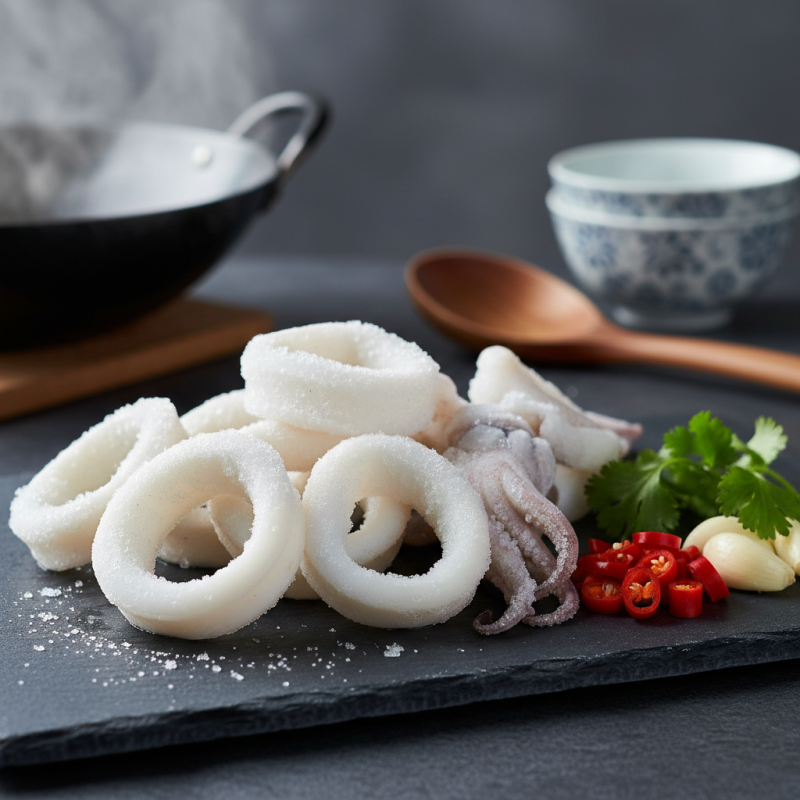
Frozen Squid Meat is a popular seafood choice for many kitchens. Often found in markets, this ingredient offers versatility and flavor. Chefs appreciate its quick cooking time and ease of preparation.
The culinary uses for Frozen Squid Meat are vast. From stir-fries to soups, it can enhance many dishes. Its firm texture holds up well under various cooking methods. However, it can become rubbery if overcooked. Attention is key when preparing this delicacy.
Incorporating Frozen Squid Meat into meals sparks creativity. It invites experimentation with flavors and techniques. Despite its appeal, some may find it daunting to handle. With practice, however, it can become a staple in your cooking repertoire. Embracing this ingredient allows for exploration of different cuisines and traditions.
What is Frozen Squid Meat?
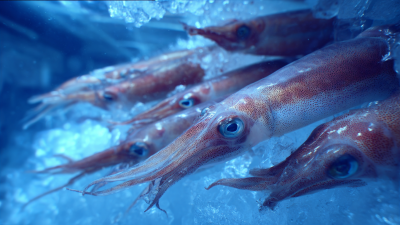
Frozen squid meat is a popular seafood choice globally. It is harvested from squids and quickly frozen to maintain freshness. This method locks in flavor and nutrients, allowing consumers to enjoy high-quality squid year-round. The freezing process is essential because it prevents spoilage. According to industry reports, the global frozen seafood market, including squid, is projected to grow steadily, reaching over $30 billion by 2025.
Utilizing frozen squid meat is versatile. Chefs and home cooks alike can prepare it in various dishes, from stir-fries to grilled skewers. The meat is tender and absorbs flavors well. It is also rich in protein and low in fat, making it a healthy option. However, some findings indicate that the quality of squid can vary significantly. Factors include the freezing method and storage duration. Ensuring proper storage can help preserve quality.
Tips: Before cooking, thaw squid meat in the refrigerator overnight. This helps maintain texture. Don't rush the cooking process. Overcooking can lead to a rubbery texture. Experiment with different marinades to enhance flavor. Squid also pairs well with citrus, which brightens its natural taste.
Nutritional Benefits of Frozen Squid Meat
Frozen squid meat is a popular seafood choice for many. It is not only versatile but also nutritious. Packed with protein, frozen squid meat can be a healthy addition to various dishes. A single serving provides essential amino acids vital for muscle growth and repair.
In terms of nutritional benefits, frozen squid meat is low in calories yet rich in beneficial nutrients. It contains omega-3 fatty acids, which support heart health. Additionally, it is a good source of vitamins like B12 and minerals such as selenium and zinc. These nutrients play crucial roles in metabolism and immune function. However, some may find the texture of squid challenging. It can be rubbery if overcooked. Balancing cooking time is essential for achieving the perfect bite.
Using frozen squid meat in recipes can be fun. It can be grilled, stir-fried, or added to soups. The flavor pairs well with garlic, herbs, and spices. However, not everyone enjoys the taste. Some might find it too fishy. Exploring different cooking methods can be an adventure, revealing new ways to enjoy this seafood.
Common Culinary Uses of Frozen Squid Meat
Frozen squid meat has gained popularity in global cuisine. Its versatile nature allows for various culinary applications. Chefs appreciate its tender texture and mild flavor, making it a favorite in many dishes. In fact, industry reports show a steady increase in squid consumption, with a projected growth rate of 4.2% annually through 2025. This highlights consumers' growing interest in seafood.
Common uses include stir-frying, grilling, and making soups. In Asian cuisine, squid is often featured in dishes like takoyaki and stir-fried noodle plates. These cooked dishes reveal the squid's ability to absorb flavors well. Meanwhile, Mediterranean cuisines use it in pasta dishes or stuffed with herbs and spices. However, achieving the right cooking time can be a challenge. Overcooking can lead to rubbery textures, a common mistake for many chefs.
Another aspect to consider is the sustainability of squid fishing. While frozen squid meat is convenient, it’s crucial to source it responsibly. Reports indicate that not all squid fisheries are sustainable. This raises questions about the balance between culinary use and environmental impact. As demand grows, ensuring sustainable practices becomes vital for the future of squid in our kitchens.
What is Frozen Squid Meat and How is it Used? - Common Culinary Uses of Frozen Squid Meat
| Culinary Use |
Description |
Preparation Method |
Cooking Time |
| Stir-frying |
Quick cooking method, often with vegetables and sauces. |
Cut into rings or pieces, toss in a hot wok with oil. |
5-10 minutes |
| Grilling |
Ideal for smoky flavors, often marinated. |
Skewered or placed directly on the grill. |
10-15 minutes |
| Sautéing |
Cooks quickly, often with garlic and herbs. |
Use a skillet over medium-high heat. |
3-5 minutes |
| Soups and Stews |
Adds depth to brothy dishes. |
Simmer in stock with vegetables. |
15-20 minutes |
| Tempura |
Fried option with a crispy batter. |
Coat in batter and deep fry. |
2-4 minutes |
How to Properly Thaw and Cook Frozen Squid Meat
Thawing frozen squid meat properly is essential for the best texture and flavor. The most effective method is to transfer it to the refrigerator overnight. This slow thawing preserves the squid's freshness. If you're short on time, place the sealed squid under cold running water for about 30 minutes. Avoid using hot water as it can lead to uneven cooking.
Cooking frozen squid meat requires a careful approach. First, ensure it is completely thawed. Cut it into rings or strips for even cooking. Sautéing or grilling works well and enhances the squid’s natural flavor. Cook it quickly over high heat to avoid a rubbery texture. Remember, squid cooks fast—just a few minutes will do. Overcooking can ruin the dish, leading to a chewy consistency. Always taste and adjust seasonings, as even minor changes can elevate the dish.
Storage Tips for Frozen Squid Meat
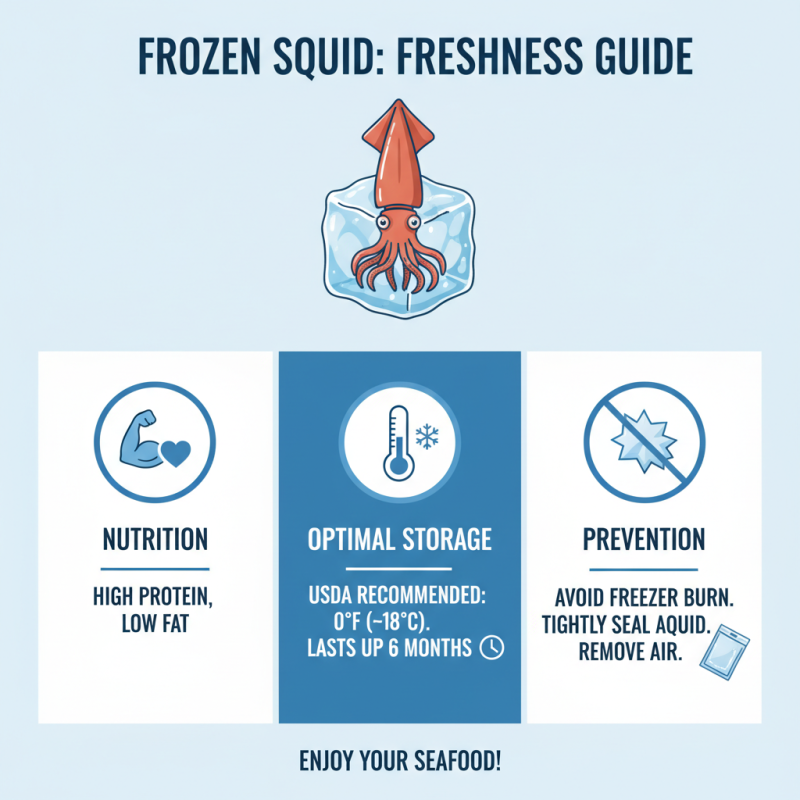
Frozen squid meat is a versatile seafood choice, rich in protein and low in fat. To maximize its freshness, proper storage techniques are crucial. The USDA recommends freezing seafood at 0°F to maintain quality. At this temperature, frozen squid can last up to six months. However, over time, freezer burn may occur, affecting texture and flavor.
When storing frozen squid, use airtight packaging. Vacuum sealing removes air that causes spoilage. Regularly check the freezer temperature to ensure consistency. Avoid thawing and refreezing squid, as this can lead to loss of quality. A recent industry report indicated that many consumers often overlook safe thawing methods, which can result in bacterial growth. Thaw squid in the refrigerator instead of at room temperature.
Label your packages with the date of freezing. This helps track freshness. The National Fisheries Institute suggests that consuming seafood within 3 months ensures the best taste and texture. While frozen squid provides convenience, it requires attention to storage. Rethink your habits to enjoy better seafood experiences.