What is Frozen Squid Flower and How to Source It?
Frozen Squid Flower has garnered significant attention in the seafood industry. It is a delicacy recognized for its unique taste and texture. According to the latest market report, sales of squid products have surged by 20% over the past three years. This growth highlights the rising demand for high-quality seafood options.
Sourcing Frozen Squid Flower can be challenging. It demands careful supplier selection to ensure quality and sustainability. Quality is paramount. The seafood industry is increasingly focusing on traceability and cleanliness. There is a rising concern about pollution affecting ocean-based resources. Thus, consumers are keen on sourcing from reputable suppliers.
Frozen Squid Flower is more than just a culinary ingredient. It represents a commitment to sustainability and responsible sourcing. The seafood market is evolving, requiring transparency and reliability from vendors. Understanding industry standards is essential for anyone interested in this product. Choosing the right supplier can make a significant difference in quality and taste. Reflecting on these factors can lead to deeper insights into the Frozen Squid Flower market.
What is Frozen Squid Flower?
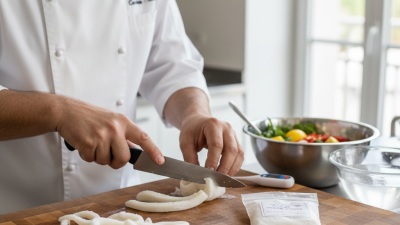
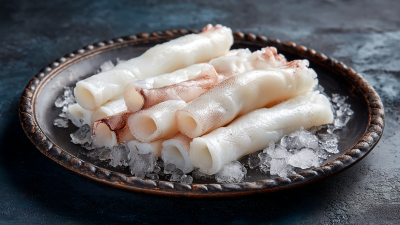
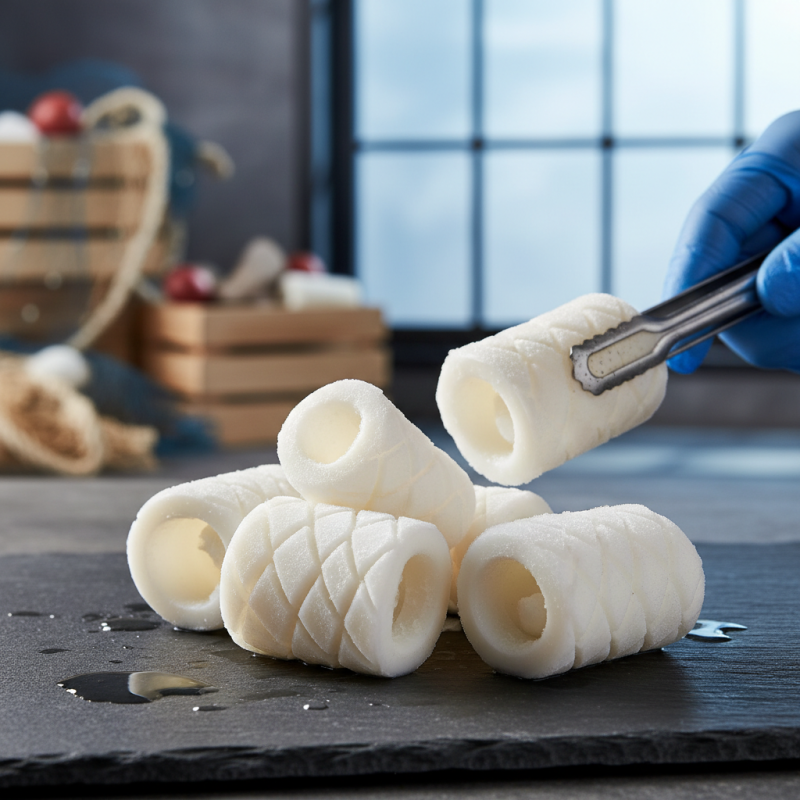
Frozen squid flower, a unique seafood product, is increasingly popular among chefs and home cooks. It consists of squid that is prepared and sliced into delicate flower shapes before freezing. This technique retains the squid's natural flavor and texture. It also makes the squid visually appealing, adding an artistic touch to dishes.
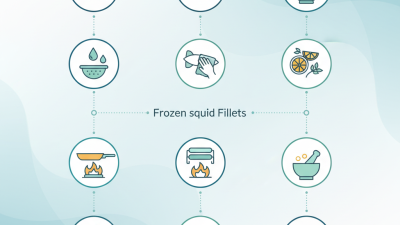
Preparing squid flower requires attention to detail. Thaw it slowly in the refrigerator for optimal texture. Once thawed, it can be grilled, sautéed, or even included in sushi. The subtle flavor pairs well with various seasonings, like garlic, lemon, and herbs. Experimenting with different cooking methods can yield surprisingly different results.
Finding quality frozen squid flower can be challenging. Look for suppliers known for their seafood standards. Research online or ask local fish markets for recommendations. Ensure that the product is properly packaged and handled to maintain freshness. Over time, you may discover personal favorites in terms of brands and sources, proving the importance of reliable suppliers. Each choice can significantly impact your culinary creations.
Frozen Squid Flower Global Sourcing and Consumption Trends
Nutritional Benefits of Frozen Squid Flower
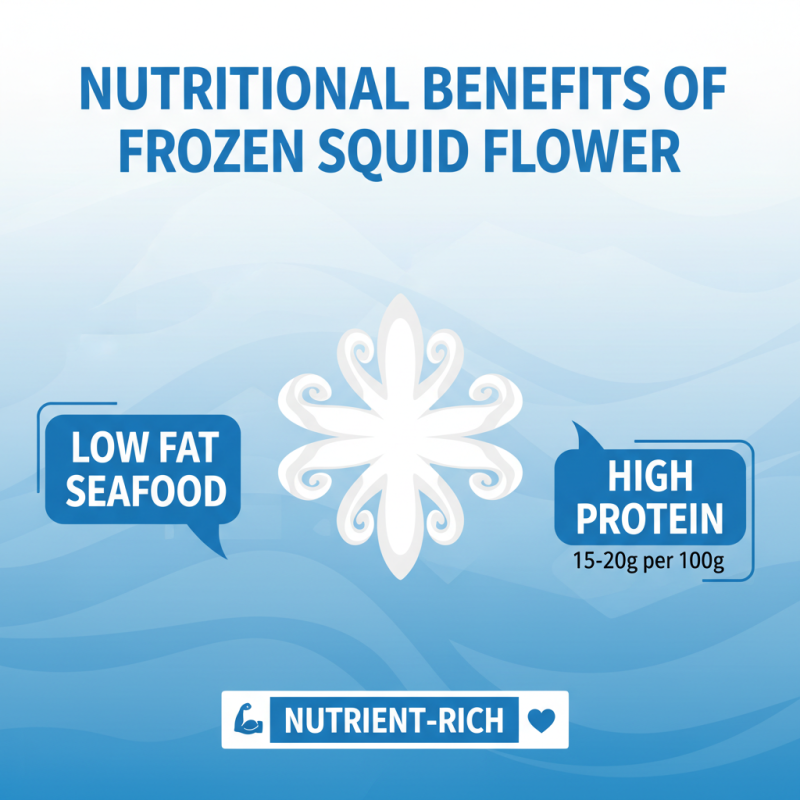
Frozen squid flower, derived from squid, boasts impressive nutritional benefits. Squid is a low-fat, nutrient-rich seafood. It is high in protein, providing about 15-20 grams per 100 grams. This makes it a great choice for those looking to increase their protein intake.
Moreover, frozen squid flower is packed with essential vitamins and minerals. It is a good source of vitamin B12, vital for nerve and blood cell health. A serving contains about 2.6 micrograms of vitamin B12, covering more than 100% of the daily requirement for adults. Additionally, squid provides minerals like selenium and phosphorus, which support bone health and immune function.
A 2022 report from the Food and Agriculture Organization highlights that seafood consumption is increasing globally, reflecting a rising awareness of its health benefits. Frozen squid, in particular, is gaining popularity due to its convenience and nutritional profile. However, sourcing reliable suppliers remains crucial. Not all frozen squid is equal in quality and freshness. Ensuring sustainable sourcing practices can also positively impact ecosystems and communities involved in the seafood industry.
Culinary Uses of Frozen Squid Flower
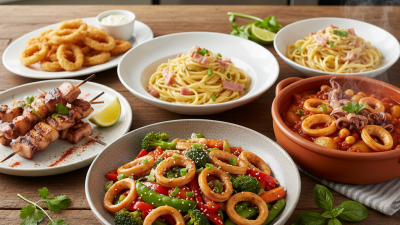
Frozen squid flower is a delicacy loved for its unique texture and flavor. When it comes to culinary uses, its versatility allows for a variety of dishes. Chefs often slice it into thin pieces, creating an attractive garnish for salads or sushi. The delicate nature of squid flower means it absorbs flavors well, enhancing broths or stir-fries.
Many people enjoy it in pasta dishes or seafood stews. Its chewy yet tender consistency brings a delightful contrast when combined with other ingredients. In a typical recipe, it can be sautéed briefly and paired with garlic and chili for a simple but flavorful meal.
However, sourcing high-quality frozen squid flower can be a challenge. It’s important to find reputable suppliers that ensure freshness and safe handling. Some may find it tough, needing to experiment to find the optimal cooking method. Mistakes can happen, especially with timing, affecting texture. This journey of trial and error can lead to deeper appreciation for this delightful ingredient.
What is Frozen Squid Flower and How to Source It? - Culinary Uses of Frozen Squid Flower
| Culinary Uses |
Preparation Methods |
Serving Suggestions |
Sourcing Tips |
Nutritional Information (per 100g) |
| Sushi and Sashimi |
Thaw and slice thinly |
Serve with soy sauce and wasabi |
Purchase from local fish markets or specialty grocery stores |
Cal: 92, Protein: 17g, Fat: 1g, Carbs: 0g |
| Stir-fry Dishes |
Cut into strips and stir-fry with vegetables |
Serve over rice or noodles |
Look for frozen options in ethnic supermarkets |
Cal: 95, Protein: 18g, Fat: 1g, Carbs: 1g |
| Salads |
Thaw and add to mixed greens |
Drizzle with vinaigrette |
Check for freshness and quality in packaging |
Cal: 90, Protein: 17g, Fat: 0.5g, Carbs: 2g |
How to Source Frozen Squid Flower?
When it comes to sourcing frozen squid flower, understanding its characteristics is key. This seafood product, known for its tender texture and unique flavor, is increasingly popular in various cuisines. You can find frozen squid flower in seafood markets or specialty grocery stores. It is often packaged for convenience, making it easy to incorporate into various dishes.
One important tip: always check the source of the product. Opting for suppliers who adhere to sustainable fishing practices is essential. Consumers should consider local seafood purveyors who prioritize freshness and quality. Examine packaging carefully for signs of damage or thawing. High-quality squid should have a consistent color and a slight sheen, indicating freshness.
Another point to consider is preparation options. Many people may struggle with how to cook frozen squid flower properly. Always thaw it before cooking to ensure even cooking. Steaming or sautéing can help retain its delicate texture. Experimenting with marinades can also add depth to its flavor. Be patient and try various cooking techniques to see what works best for you.
Storage and Preparation Tips for Frozen Squid Flower
Frozen squid flower is a delicacy loved by many. Proper storage and preparation are vital for maintaining its quality. According to industry reports, improper handling can lead to significant nutrient loss, affecting taste and texture.
To preserve frozen squid flower, keep it sealed and store it in the coldest part of your freezer. Avoid temperature fluctuations. Ideally, use it within three months for the best flavor. When thawing, do so in the refrigerator overnight. This method retains moisture and flavor better than quick-thawing techniques.
When preparing frozen squid flower, rinse it under cold water to remove any ice crystals. Slice it into even pieces for uniform cooking. Cook it quickly over high heat to avoid rubbery textures. Typical cooking times range from three to five minutes. Be cautious; overcooking can ruin your dish. Consider pairing it with fresh vegetables or pasta for a balanced meal. Remember, even a small mistake in preparation can impact the final dish’s quality.