Frozen Seafood Mix Cooking Tips for Perfectly Delicious Meals
In the realm of culinary delights, the art of utilizing a Frozen Seafood Mix can elevate any meal from ordinary to extraordinary. According to culinary expert Chef Marco Rossi, "The beauty of a Frozen Seafood Mix lies in its convenience and versatility, allowing home cooks to explore a range of flavors and textures in their dishes." This combination of various seafood not only saves time in meal preparation but also opens the door to creative gastronomic possibilities.
Once thawed, a Frozen Seafood Mix can be transformed into a variety of dishes, from hearty stews and pastas to elegant stir-fries. The key to perfecting these meals lies in understanding the proper cooking techniques that ensure the seafood remains tender and flavorful. Whether you're sautéing, grilling, or baking, the right approach can make a significant difference in showcasing the natural tastes of the seafood.
As we delve deeper into the tips and techniques for cooking with a Frozen Seafood Mix, you will discover how to achieve perfectly delicious meals that not only impress your guests but also add variety to your everyday cooking. Embrace the ocean's bounty and let your culinary creativity soar!
Understanding Frozen Seafood Mix: Types and Nutritional Benefits
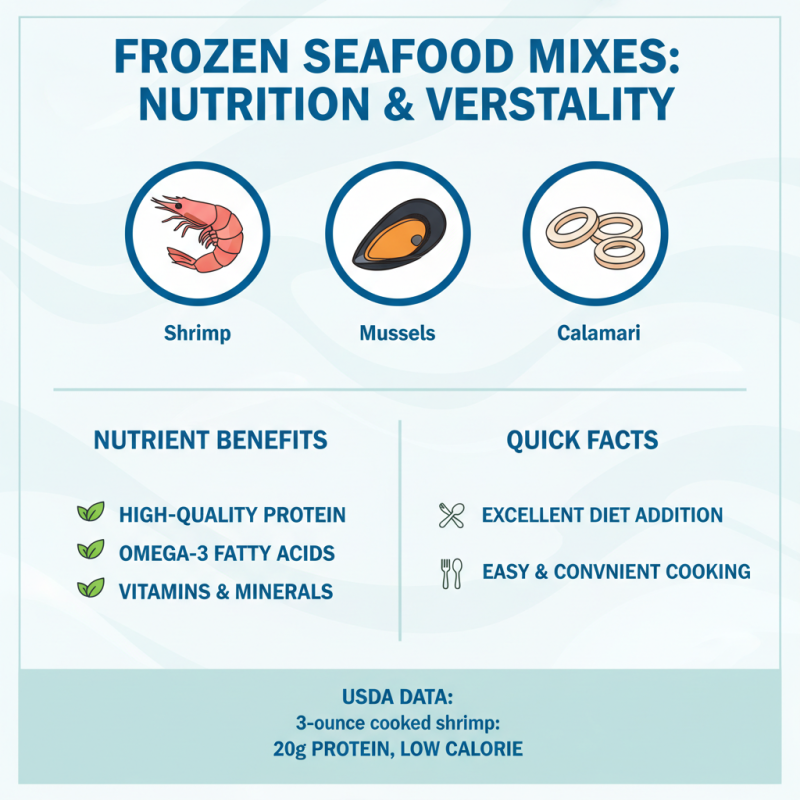
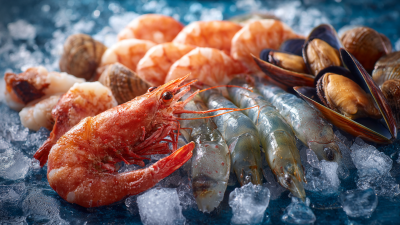
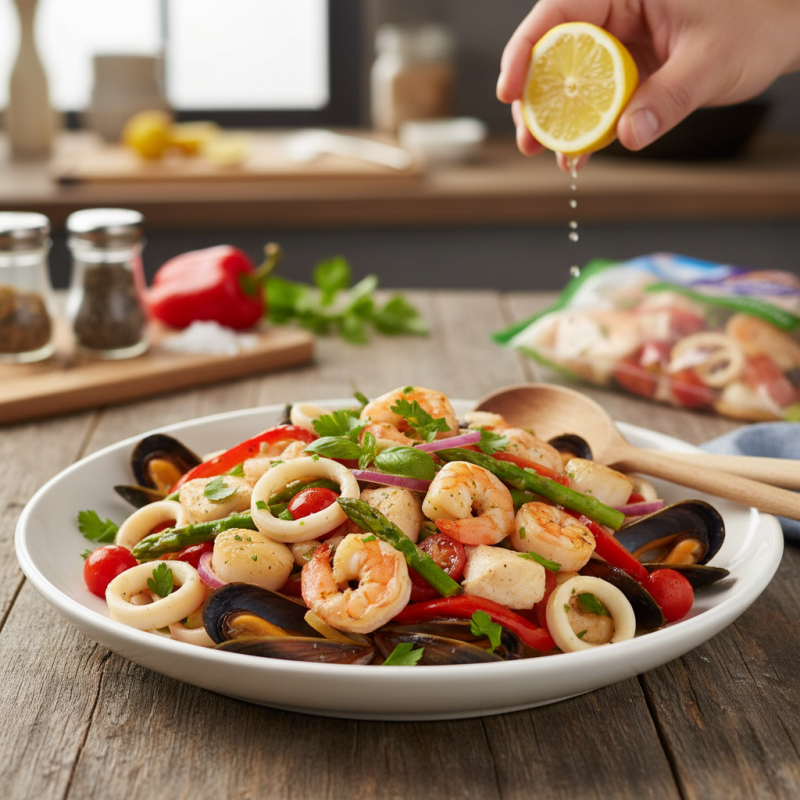
Frozen seafood mixes offer a delightful array of flavors and textures, making them a popular choice for home cooks and professional kitchens alike. Understanding the types of seafood typically found in these mixes—such as shrimp, mussels, and calamari—provides insight into their nutritional benefits. Industry reports indicate that seafood is an excellent source of high-quality protein, omega-3 fatty acids, vitamins, and minerals. For instance, according to the USDA, a 3-ounce serving of cooked shrimp provides about 20 grams of protein and is low in calories, making it an ideal addition to a balanced diet.
When cooking with frozen seafood mixes, especially for those new to seafood, it's essential to keep a few tips in mind. First, always thaw seafood in the refrigerator overnight rather than at room temperature to ensure safety and optimal texture. Additionally, avoid overcooking; seafood is best cooked just until opaque to retain its delicate flavor and prevent a rubbery texture. An effective tip is to sauté your seafood quickly with vegetables and spices to add depth of flavor while preserving the nutrients.
Don’t forget about the versatility of frozen seafood mixes. They can be incorporated into various dishes, from stir-fries to pasta, enhancing both the taste and the nutritional profile. A report from the Seafood Nutrition Partnership highlights that regularly including seafood in your diet can reduce the risk of heart disease, emphasizing the importance of making it a staple in meal planning. With the right approach, these frozen mixes can lead to perfectly delicious meals that are both satisfying and healthy.
Thawing Techniques: Safely Preparing Frozen Seafood for Cooking
When it comes to preparing frozen seafood, proper thawing techniques are crucial for not only preserving flavor but also ensuring food safety. One effective method is to transfer the seafood from the freezer to the refrigerator a day before you plan to cook it. This slow thawing process allows the seafood to defrost evenly while keeping it at a safe temperature, preventing any harmful bacteria from developing.
Alternatively, if you're short on time, you can utilize the cold water thawing technique. Place the seafood in a sealed plastic bag and submerge it in a bowl of cold water. Change the water every 30 minutes, and in most cases, the seafood should thaw within an hour. This method is quicker and still maintains the quality of the seafood, but remember to cook it immediately after thawing to ensure freshness and safety.
With these thawing techniques, you can enjoy perfectly delicious meals made from frozen seafood without compromising on taste or health.
Cooking Methods: Best Practices for Frozen Seafood Mix Preparation
When it comes to preparing a frozen seafood mix, the cooking method plays a crucial role in achieving perfect flavors and textures. One of the best practices is to thaw the seafood mix properly before cooking.
The safest way to do this is by placing the seafood in the refrigerator overnight to allow it to defrost slowly. If you’re short on time, you can also submerge the sealed package in cold water for about 30 minutes.
Avoid using hot water or microwaving, as these methods can lead to uneven thawing and affect the quality of the seafood.
Once thawed, consider the cooking techniques that best highlight the seafood's natural sweetness and freshness. Sautéing is a popular method that allows for quick cooking while retaining moisture. You can use a high heat setting in a skillet with a bit of olive oil, adding minced garlic and herbs for extra flavor.
Alternatively, steaming or poaching the seafood mix in a broth can ensure a tender result, enhancing the overall taste without drying it out. These cooking methods not only preserve the integrity of the seafood but also allow for a versatile array of dishes, from stir-fries to elegant pastas.
Flavor Enhancements: Seasoning and Marinating Tips
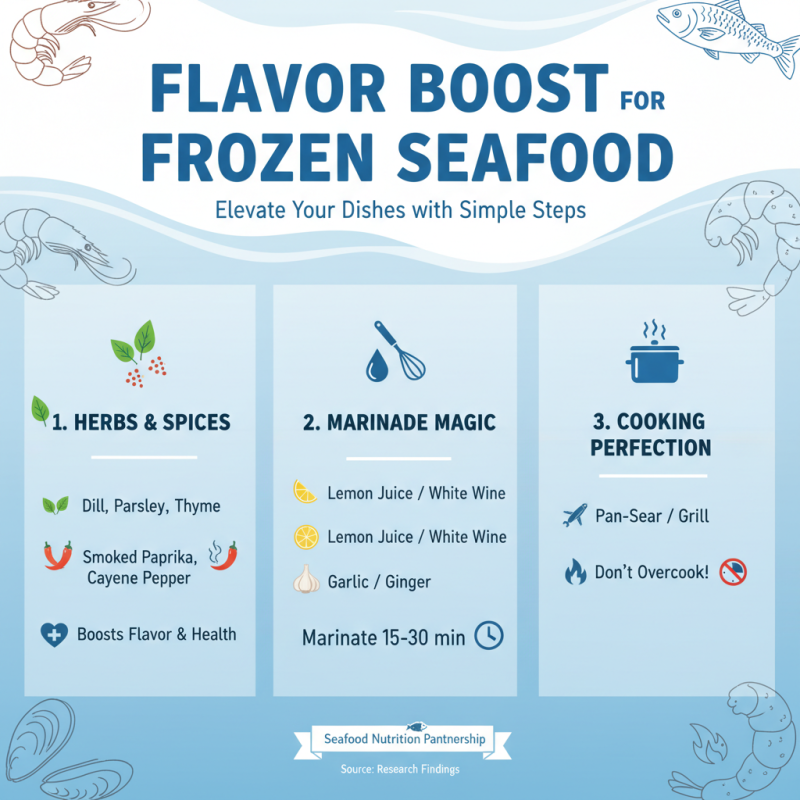
When it comes to enhancing the flavor of frozen seafood mixes, the right seasoning and marinating techniques can elevate your dish from ordinary to extraordinary. Research from the Seafood Nutrition Partnership indicates that adding spices not only boosts flavor but also increases the health benefits of seafood dishes. Seasoning with a blend of herbs like dill, parsley, and thyme, along with spices such as smoked paprika or cayenne pepper, can complement the natural sweetness of seafood, making for a more appetizing meal.
Marinating is another effective method to infuse flavor into frozen seafood. According to a study published in the Journal of Food Science, marinating seafood for at least 30 minutes can significantly enhance its flavor profile. A simple marinade of olive oil, lemon juice, garlic, and seasonings can tenderize the seafood and add depth to the overall taste. Moreover, incorporating ingredients like soy sauce or vinegar not only enriches the flavor but also creates a delightful umami experience, appealing to a broad spectrum of taste preferences. When combined with proper cooking techniques, these flavorful enhancements ensure your seafood mix turns into a delicious and satisfying meal.
Serving Suggestions: Pairing Frozen Seafood Mix with Side Dishes
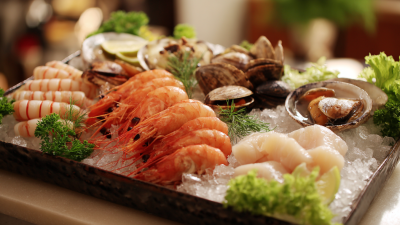
When it comes to serving frozen seafood mix, the right side dishes can elevate your meal from ordinary to extraordinary. Pairing seafood with fresh vegetables is a classic choice. Consider sautéed spinach or roasted asparagus, which not only provide vibrant color but also offer a nutritional boost. For a heartier option, a creamy risotto or garlic mashed potatoes can complement the flavors of the seafood beautifully. The starchiness of these dishes balances the lightness of the mix, ensuring a satisfying dining experience.
For some added flavor, incorporating herbs and spices into your side dishes can enhance the overall taste profile. Lemon zest, fresh dill, or a sprinkle of paprika can bring out the subtle flavors of the seafood, making each bite delightful. Another excellent tip is to serve your frozen seafood mix with a tangy dipping sauce, such as aioli or a citrus vinaigrette. This not only adds an extra layer of flavor but also encourages a casual dining atmosphere where everyone can add their personal touch to the meal.
When preparing your frozen seafood mix, remember to cook it at medium-high heat to preserve its natural juiciness and texture. Avoid overcrowding the pan to ensure even cooking. This simple tip can make a significant difference in the final dish, allowing you to enjoy the full, delicious potential of your seafood mix paired perfectly with your chosen sides.
Frozen Seafood Mix Cooking Tips for Perfectly Delicious Meals