Inquiry
Form loading...
Global buyers need more than a supplier list when evaluating Frozen Squid Meat. Product quality can change before the carton reaches the port.
The FAO’s State of World Fisheries and Aquaculture 2024 reported 185.4 million tonnes of global aquatic animal production in 2022. It also recorded international aquatic-product trade worth approximately US$195 billion. These figures show the scale of seafood sourcing, but they do not isolate frozen squid meat clearly.
That limitation matters.
UN Comtrade data under HS 030743 commonly combines frozen squid and cuttlefish products. Buyers should therefore verify species, processing form, origin, and shipment records directly. A low price may reflect smaller sizes, glazing differences, or inconsistent grading.
Cephalopod specialist Dr. Ángel Guerra has stated, “Cephalopod populations can change quickly because their life cycles are short.” This observation remains highly relevant for procurement teams. Seasonal landings, fishing pressure, and ocean conditions can affect supply reliability.
The ten suppliers reviewed in this guide are assessed through practical buying criteria. These include processing certifications, cold-chain controls, export experience, product specifications, and responsiveness. We also consider IQF options, block-frozen formats, cleaned tubes, tentacles, and ready-to-cook portions.
No ranking is perfect.
Supplier performance can vary by season, destination, and contract size. Buyers should request recent laboratory reports, catch-area details, glazing percentages, and microbial test results. Factory audits are valuable, especially when large volumes are involved.
This guide offers a practical starting point. It should support, not replace, independent due diligence.
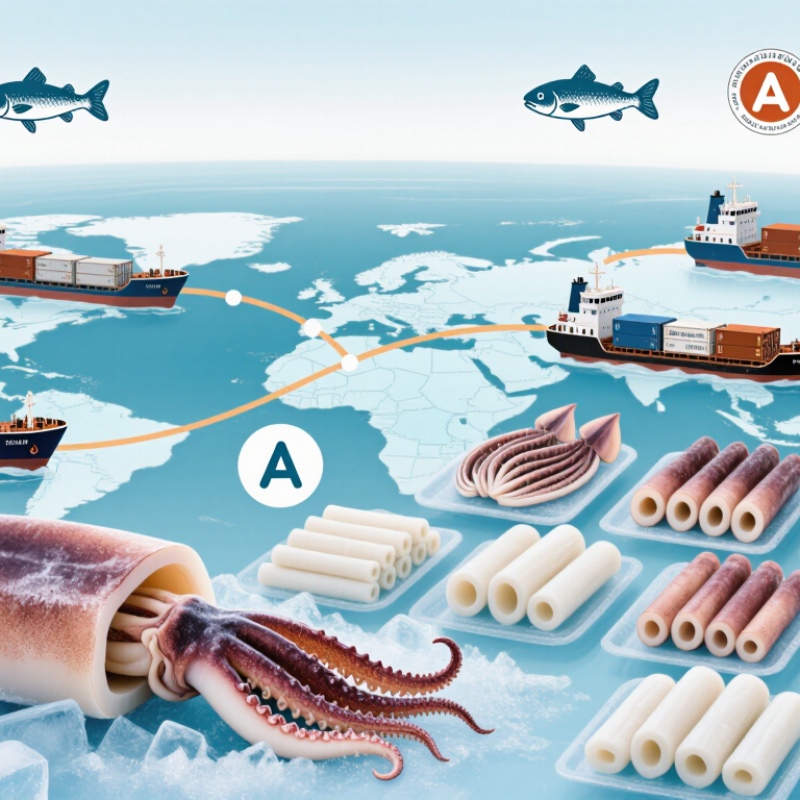
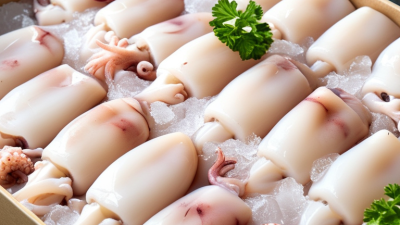
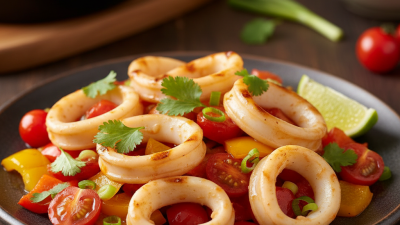
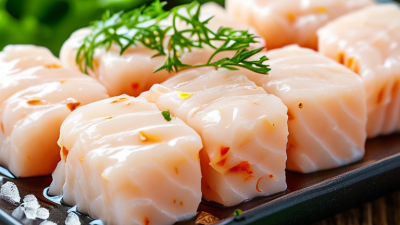
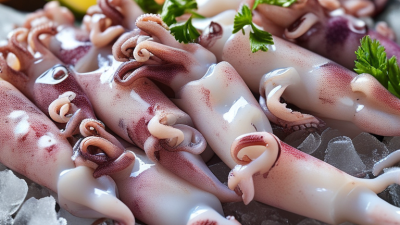
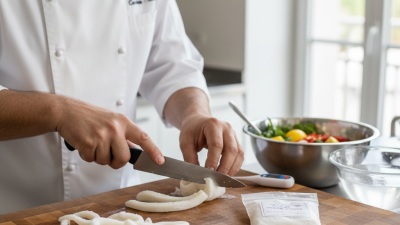
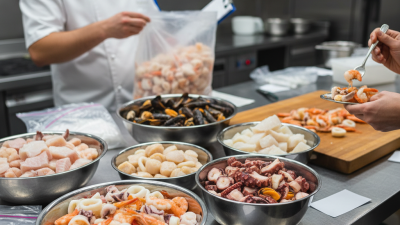
Frozen squid meat varies by species, cut, processing method, and freezing format. Common choices include cleaned tubes, rings, tentacles, strips, and minced meat. Tubes suit stuffed dishes and uniform slicing. Rings work well in frying, pasta, and ready-meal production. Tentacles add texture to seafood mixes. Minced squid supports burgers, dumplings, and formed products.
Buyers should compare size grades, net weight, glaze percentage, moisture, and visible damage. IQF products separate easily and reduce kitchen waste. Block-frozen squid often costs less but requires controlled thawing and portioning. A practical specification may include a 200–400 gram tube size, low breakage, and a clear glazing limit. Species identification also matters because flavor, firmness, and yield can change by origin.
International applications demand more than an attractive price. Food safety records, traceability, cold-chain control, and documented inspection procedures should be reviewed before contracting. Recognized HACCP-based systems and applicable export certificates support reliable sourcing. Packaging must withstand long transport, with readable lot codes and storage instructions. Buyers should test a sample after cooking, not only after thawing. Texture can soften unexpectedly. No grade replaces sensory checks, because a technically correct product may still perform poorly in a specific recipe.
| Supplier Profile | Typical Sourcing Region | Common Commercial Species | Frozen Squid Meat Types | Typical Product Grades | Processing and Packing Options | Key Quality Parameters | Suitable International Applications | Buyer Considerations |
|---|---|---|---|---|---|---|---|---|
| Profile 01 | South American Pacific coast | Jumbo flying squid (Dosidicus gigas) | Whole cleaned tubes Rings Tentacles | Food-service grade; industrial processing grade | IQF blocks, individually quick frozen pieces, bulk cartons, retail-ready bags | White to light cream color, firm texture, controlled glazing, low foreign matter | Calamari rings, fried seafood, ceviche-style preparations, canned and restructured seafood | Confirm thawing loss, glazing percentage, texture after cooking, and harvest-season consistency |
| Profile 02 | Southwestern Atlantic waters | Argentine shortfin squid (Illex argentinus) | Whole round Cleaned tubes Rings and strips | Premium export grade; standard food grade | IQF, plate frozen, skin-on or skinless, private-label carton packing | Natural color, intact muscle, uniform sizing, clean odor, low dehydration | European retail, Mediterranean cuisine, restaurant menus, seafood salads | Ask for size-count ranges, skin-removal method, catch documentation, and cold-chain records |
| Profile 03 | North Atlantic and Northeast Atlantic waters | European squid (Loligo vulgaris) and related Loligo species | Small whole squid Tubes Tentacles | Premium culinary grade; food-service grade | IQF whole squid, cleaned tubes, vacuum packs, small retail portions | Delicate flavor, tender muscle, bright appearance, consistent small-to-medium sizing | Tapas, Mediterranean dishes, premium frozen seafood counters, grilled squid products | Premium pricing is common; verify scientific species identification and catch area |
| Profile 04 | Northwest Pacific waters | Japanese flying squid (Heterololigo bleekeri) and related flying squid species | Whole squid Sashimi-style portions Rings | Premium food grade; sushi and specialty grade where applicable | Skinless tubes, IQF portions, vacuum packaging, food-service cartons | Clean appearance, firm but tender texture, careful handling, strong traceability | Japanese cuisine, grilled seafood, sushi-style products subject to local safety controls | Confirm whether the product is intended for raw consumption; frozen-storage requirements must be documented |
| Profile 05 | Indian Ocean and Arabian Sea region | Indian squid (Uroteuthis duvaucelii) and related Uroteuthis species | Cleaned tubes Rings Whole cleaned squid | Standard export grade; food-service grade | IQF, block frozen, skin-on or skinless, bulk food-service cartons | Uniform cut, low odor, controlled glazing, clean processing conditions | Fried calamari, curries, seafood mixes, restaurants, further processing | Compare net weight after glazing, antibiotic-control documentation where relevant, and processing capacity |
| Profile 06 | Southeast Asian coastal waters | Bigfin reef squid (Sepioteuthis lessoniana) and Indian squid | Tubes Rings Tentacles Breaded portions | Food-service grade; value-added export grade | IQF pieces, marinated cuts, breaded products, retail bags, bulk cartons | Consistent portion size, good batter adhesion for coated products, stable texture | Prepared meals, fried calamari, Asian cuisine, hotel and restaurant supply | Review allergen controls, additives, marinade formulation, and label compliance for the destination market |
| Profile 07 | Western Pacific and Indonesian waters | Arrow squid (Doryteuthis sibogae) and related commercial squid species | Whole round Cleaned tubes Tentacles | Standard food grade; processing grade | Block frozen, IQF, cleaned-and-gutted packs, bulk cartons | Acceptable whiteness, firm flesh, reliable count sizes, minimal broken pieces | Seafood noodles, stir-fries, soups, processed seafood, institutional catering | Request sample cooking tests because species and seasonal texture can vary by landing area |
| Profile 08 | Northwest African Atlantic coast | European flying squid (Todarodes sagittatus) and related oceanic squid species | Tubes Rings Whole cleaned squid | Standard export grade; Mediterranean food-service grade | IQF, block frozen, skinless tubes, restaurant-size cartons | Clean cut surfaces, controlled glaze, low freezer burn, stable odor and color | European food service, tapas, grilled squid, frozen seafood distribution | Check catch certificates, port-of-origin documentation, and compliance with the importing region's labeling rules |
| Profile 09 | East Asian coastal waters | Japanese flying squid (Heterololigo bleekeri) and common squid species | Whole squid Tubes Rings and strips | Premium food grade; standard export grade | IQF, vacuum-packed tubes, portion-controlled packs, bulk cartons | Uniform sizing, clean skin removal, firm bite, accurate net weight | Asian retail, hot-pot products, grilled squid, sushi-style and ready-to-cook meals | Verify product temperature history, packaging integrity, and whether additives are used for water retention |
| Profile 10 | Southern Ocean and South Atlantic supply chains | Patagonian squid (Doryteuthis gahi) and related squid species | Cleaned tubes Rings Tentacles | Premium export grade; standard food-service grade | IQF, plate frozen, skinless tubes, bulk export cartons | Consistent caliber, pale natural color, firm texture, low drip loss after thawing | European retail, calamari products, restaurants, seafood salads and prepared meals | Confirm species, fishing zone, vessel documentation, size distribution, and minimum order quantity |
Commercial grades, species availability, glazing levels, certifications, pack sizes, and food-safety requirements may differ by processor, season, harvest area, and destination market. Buyers should verify the specification sheet, catch documentation, laboratory results, and product samples before placing an order.