China Top Frozen Fish Tilapia Benefits and Culinary Uses Explained
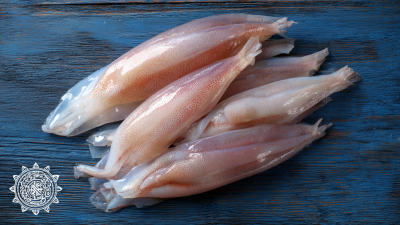
Frozen Fish Tilapia has gained popularity among seafood lovers and health enthusiasts alike. This fish, known for its mild flavor and flaky texture, is not only versatile but also nutritious. Rich in protein and low in calories, Frozen Fish Tilapia provides essential nutrients that support a healthy diet.
In culinary applications, this fish shines in numerous dishes, from tacos to stir-fries. Its adaptability makes it a go-to ingredient for various cuisines. However, one must be cautious about sourcing. Not all frozen tilapia is created equal; look for sustainable options. Choosing quality fish ensures a better taste and environmental responsibility.
Despite its benefits, some consumers have concerns about fish farming practices. Awareness and education are keys to making informed choices. Understanding the background of Frozen Fish Tilapia enriches the cooking experience. Embracing this fish in a diet can lead to delicious meals and positive health impacts.
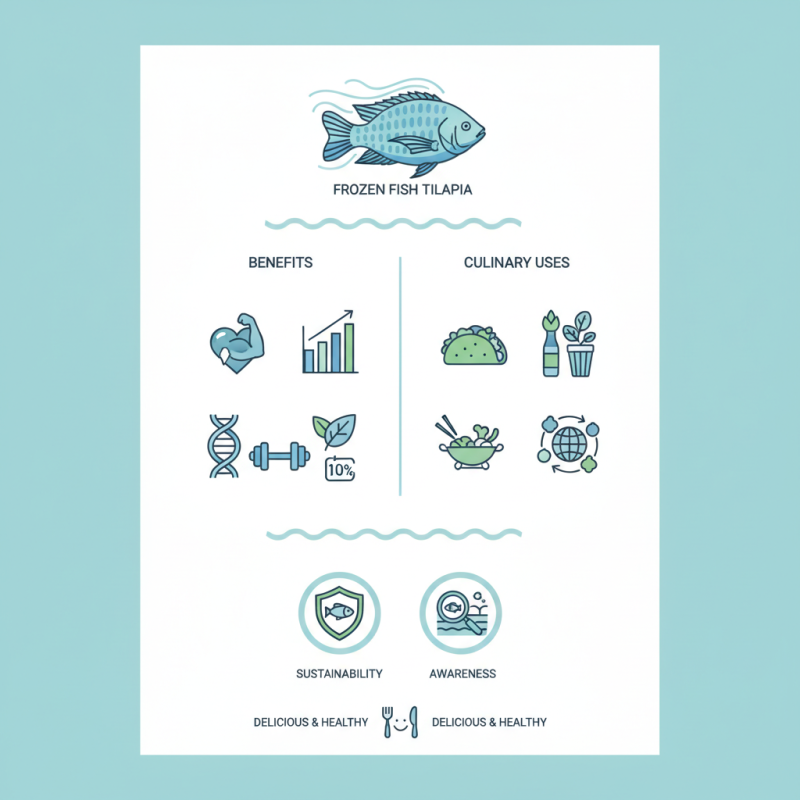
Understanding Tilapia: An Overview of This Popular Frozen Fish
Tilapia is a freshwater fish that has gained immense popularity worldwide. Its mild taste and flaky texture make it ideal for various culinary applications. This fish is not only versatile but also accessible. You can find it frozen in many grocery stores. Many people enjoy it for weeknight dinners, as it cooks quickly and easily.
In the kitchen, tilapia can be grilled, baked, or pan-fried. It absorbs flavors well, making it suitable for a range of cuisines. Spices and marinades work wonders, enhancing its natural flavor. For a quick meal, tilapia filets can be seasoned with lemon and herbs, then cooked in just 10 minutes. But not all preparations work perfectly. Some methods can leave the fish dry if overcooked.
Nutritionally, tilapia offers protein and essential minerals. However, concerns about farming practices exist. If you're health-conscious, it's vital to research sourcing. The perceived benefits may vary based on the fish's origin. It’s a good choice for meals, but understanding its background matters. This awareness can influence your culinary choices significantly.
Nutritional Benefits of Tilapia: Why It's Good for Your Health
Tilapia is gaining popularity as a healthy seafood choice. This fish is low in calories but rich in protein, making it an excellent option for those seeking to lose weight. According to the USDA, a 3-ounce serving of cooked tilapia contains about 22 grams of protein and only 110 calories. This protein content supports muscle growth and repair, which is essential for active individuals.
In addition to being a protein powerhouse, tilapia offers essential vitamins and minerals. It’s a good source of B vitamins, including B12 and niacin. These vitamins help with energy production and support a healthy metabolism. Tilapia is also low in saturated fat, which aligns with heart-healthy dietary guidelines. Research from the American Heart Association supports the inclusion of fish like tilapia in a balanced diet to improve heart health.
Tip: When preparing tilapia, opt for grilling or baking instead of frying. This preserves its healthy attributes and cuts down on unhealthy fats.
Keep in mind that, while tilapia provides many health benefits, sourcing matters. Concerns about farming practices have been raised. Choosing responsibly farmed or wild-caught tilapia can impact both health and the environment positively.
Tip: Check for certifications on the packaging to ensure you're making a sustainable choice. Make these small adjustments for a healthier diet while enjoying delicious tilapia dishes.
Cooking Methods for Tilapia: Techniques and Tips for Delicious Meals
Tilapia is a versatile fish that can be cooked in various delicious ways. Grilling is a popular method, imparting a smoky flavor. Simply marinate the fish in olive oil, lemon juice, and spices before placing it on a hot grill. Cooking times vary with thickness, so keep a close watch to avoid overcooking, which can make it dry and less appealing.
Baking tilapia is another simple technique. You can wrap it in foil with vegetables for a healthy meal. This method helps retain moisture and flavors. Don’t forget to season the fish generously. Adding herbs like dill or parsley enhances its taste. Remember, under-seasoning is a common mistake. Aim for a balanced flavor profile without overwhelming the fish.
Pan-searing offers a quick alternative that showcases its flaky texture. Use a hot skillet with a bit of oil, and cook each side for a few minutes. The crispy exterior brings out a satisfying contrast to its tender inside. Experimenting with different cooking techniques is key. Finding what works for your palate might take time. Enjoy the journey of discovering the perfect tilapia dish.
Culinary Uses of Tilapia: Dishes and Flavor Pairings to Try
Tilapia is a versatile fish enjoyed in many culinary traditions. Its mild flavor pairs well with a variety of ingredients. You can prepare tilapia in numerous ways, from grilling to baking. Many love it for its flaky texture and adaptability in recipes.
A popular dish is tilapia tacos. Simply season the fish with cumin and paprika, then grill it. Serve in corn tortillas with fresh salsa and avocado. This combination is full of flavor and texture. Another great option is baked tilapia with lemon and herbs. The acidity of lemon brightens the fish, making it refreshing and light.
Tips: Experiment with spices. Try adding garlic, cayenne, or dill for depth. Consider a mango salsa for a sweet contrast. Always remember to cook tilapia to an internal temperature of 145°F for safety. It should flake easily with a fork when done. This ensures it is both safe to eat and delicious.
Global Popularity of Tilapia: Its Role in Cuisine Worldwide
Tilapia has gained global popularity, becoming a staple in many cuisines. According to the Food and Agriculture Organization, tilapia production reached over 6 million tonnes in 2020. Its mild flavor and versatility make it an appealing choice for chefs and home cooks alike. This fish can be easily grilled, baked, or fried. Many cultures have embraced it, adapting it to local ingredients and cooking methods.
In the United States, tilapia is the fourth most consumed fish. It offers a lower-cost protein alternative compared to other seafood. A study highlighted that tilapia contains approximately 26 grams of protein per 100 grams. This high protein content supports muscle health and energy levels. However, some nutritionists express concern over the omega-3 fatty acid content in tilapia. It has less omega-3 compared to fatty fish like salmon, which raises questions about its overall health benefits.
Global preparations vary widely. In Latin America, tilapia is often marinated in spices and grilled over open flames. In Asian cuisines, it's frequently stir-fried with vegetables and aromatics. These variations highlight its adaptability. Yet, a careful approach is needed to ensure sustainability. Some farming practices raise environmental concerns, leading to a need for more mindful sourcing. Balancing culinary creativity with responsible consumption remains a challenge in the tilapia market.
China Top Frozen Fish Tilapia Benefits and Culinary Uses Explained
| Nutritional Benefits |
Culinary Uses |
Global Popularity |
| High in Protein |
Grilled, Baked, or Fried |
Widely Consumed in Asia, Africa, and the Americas |
| Low in Calories |
In Soups and Stews |
Popular in Latin American Dishes |
| Rich in Omega-3 Fatty Acids |
Fish Tacos |
Increasing Popularity in Europe |
| Source of Vitamin B12 |
In Salads |
Recognized As a Sustainable Protein Source |
| Supports Heart Health |
In Stir-Fried Dishes |
Popular in Asian Cuisine |